
What Is Getwildfulness.com? Let’s Talk About This Site
Hey, you looked up getwildfulness.com? It’s this cool little site with straight-up gadget reviews – travel chargers that save your trip, sleep trackers that tell you why you’re dragging, survival stuff, futuristic bits and pieces. The name feels like it’s all about nature and calm though, so pull up a chair and let’s chat about what it’s really like and how to bring some of that outdoor peace into your day with a little tech help.
There was this Tuesday not long ago – I was fried. Emails everywhere, phone going off every two seconds, feeling like my head was in a vice. I just needed to get out. Grabbed my jacket, walked to the little park around the corner, found a bench half-hidden by trees, and sat.
Watched the leaves shake in the wind, heard kids laughing somewhere far off, felt the cool air hit my face. Ten minutes. That’s all. But I walked back home feeling lighter, like someone turned down the volume on everything. I know I’m not the only one who’s had days like that – we all get overloaded, and sometimes the best fix is just stepping outside and letting the world be quiet for a bit.
That’s the first thing that hit me about getwildfulness.com when I typed it in. The name makes you think “okay, this is about getting wild in nature and staying mindful while you’re at it.” Like a guide to finding calm by unplugging and breathing fresh air. It sounded exactly like what I needed that day.
Then I actually visited the site (January 2026, right now), and it’s a total pivot – it’s gadget central. Jack Smith, this guy who’s clearly spent years geeking out over tech, built the whole thing. He wanted somewhere people could go for real, no-BS reviews of stuff that actually works in everyday life.
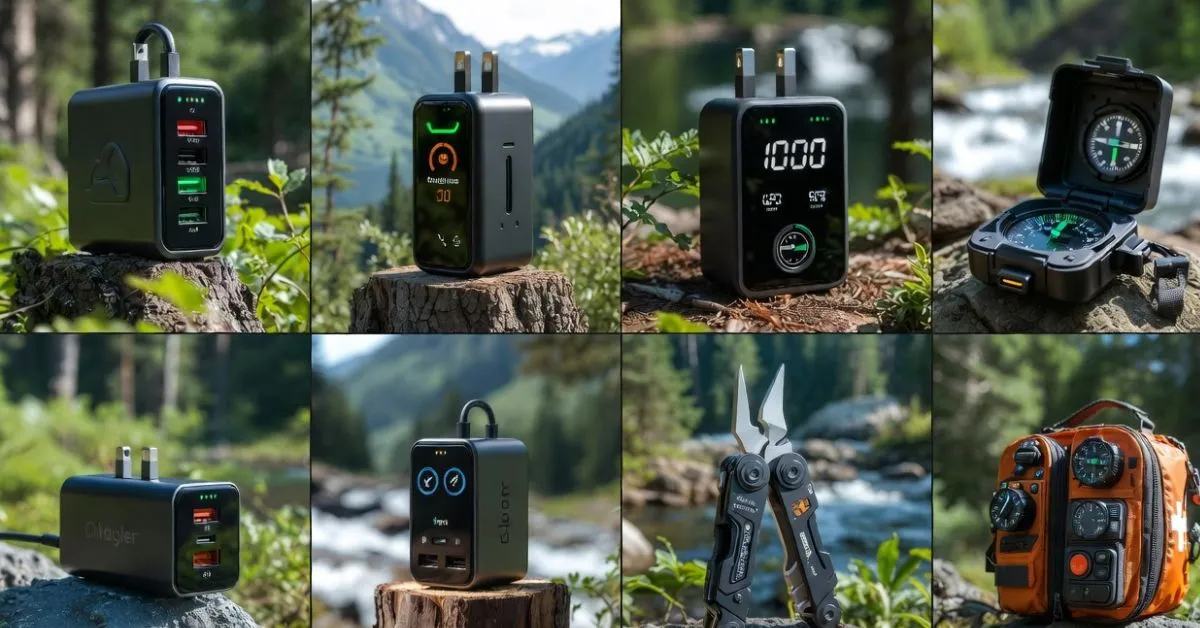
Portable chargers that don’t quit on long flights, GPS things that track your luggage so it doesn’t disappear into airport black holes, sleep trackers that break down why you’re waking up tired, survival gear for when you want to head into the backcountry, even some home gadgets and wearables that feel like they’re from five years in the future. The write-ups are casual and honest – what you’ll love, what might annoy you, how it holds up when you’re really using it. No salesy nonsense.
But even knowing it’s tech-focused, the name getwildfulness.com keeps circling back to this whole wildfulness idea in my head. And I love it because it’s so straightforward. Wildfulness is mindfulness, but outside. You don’t need candles, apps, or an hour of silence. You just go out, take it slow, and notice. The way the sun warms your skin, the rustle of leaves or distant traffic, the smell after it rains.
Your brain can’t run wild when it’s busy taking in real things. It’s perfect for people like us who spend way too much time staring at screens – a simple, free way to hit reset.
Key Takeaways
Let me just lay out the bits that really stuck with me. Wildfulness is that gentle way of being present in nature – stress slips off without you forcing it. Getwildfulness.com is the place for solid gadget reviews on travel tech, smart health tools, and futuristic things that make life smoother. Recent studies show spending time in green spaces seriously helps – lowers anxiety, eases blood pressure, boosts your mood.
You don’t need mountains or forests – a neighborhood park, your backyard, even houseplants and fresh air through a window can do the trick, and a gadget can show you the proof so you stick with it. The magic happens when you mix them: use a tracker to see how a quick walk outside improved your sleep or energy, and suddenly you’re looking forward to the next one.
Understanding Wildfulness: Nature Meets Mindfulness
Definition of Wildfulness
Wildfulness is mindfulness that happens with grass under your feet. Mindfulness means staying in the present, noticing what’s going on without getting lost in it. Wildfulness just moves that outside – to a park, a trail, your backyard, any spot with a little nature. You head out and let your senses take charge: watch light filter through trees, listen to whatever sounds are drifting by, feel the breeze or the ground. Your thoughts slow because your mind’s busy with what’s actually there. No fancy setup required. No timer. Just you showing up and being aware.
This whole thing borrows a lot from Japan’s forest bathing – shinrin-yoku. You don’t literally bathe – you just hang out in the woods, breathe slow, soak it in. Trees put out natural compounds that help calm you and give your immune system a small lift. Wildfulness is the relaxed, everyday take – do it wherever you find green.
Origins and Philosophy (“Get Wild, Stay Mindful”)
That phrase “get wild, stay mindful” pretty much says it all. “Get wild” is your cue to break free – leave the desk, ditch the phone, step into the world. “Stay mindful” means don’t just wander – really see and feel what’s around you. It’s a soft, doable way to find balance when everything else is rushing.
People have been playing with this for years. There was an app once called Wildfulness that used nature sounds and visuals to help you unwind anywhere. Blogs, podcasts – it picked up speed after the pandemic when we all realized how much we missed being outside. The heart of it? Nature isn’t something separate. It’s built-in help for breathing deeper, slowing down, feeling more grounded.
Comparison to Shinrin-Yoku (Forest Bathing)
Shinrin-yoku came from Japan in the 80s when city life got overwhelming. It’s a bit more organized – head to a forest, walk easy, tune into your senses. Wildfulness is looser – any green space counts, no special route needed. Both calm you down though. They lower stress hormones, slow your heart, brighten your mood. Want more guidance? Go for shinrin-yoku. Want flexible and quick? Wildfulness fits perfectly.
The Actual GetWildfulness.com: Gadgets & Innovations
Site Focus: High-Tech Travel, Smart Health & Futuristic Tools Pop over to the real getwildfulness.com and it’s clear – tech all the way. Jack Smith set it up because gadgets light him up, especially ones that solve actual headaches. The reviews feel like a friend telling you the truth: what shines, what could be better, how it works in real situations. No hard sell, just useful stuff so you buy smart.
Key Categories and Examples Travel gadgets
power banks that survive full travel days, GPS trackers for lost bags, noise-canceling headphones for planes. If you’ve ever been stuck with a dead phone or waiting for luggage that never shows, these change everything.
Smart health: sleep trackers (even kid versions), detailed rest breakdowns from Garmin, early apnea detectors. Futuristic: survival gear for adventures, home helpers, wearables that feel next-gen.
How Tech Supports Wellness (e.g., Trackers for Mindful Living) Here’s the neat part – these gadgets don’t fight nature time, they boost it. A sleep tracker shows deeper rest after a walk. A fitness band nudges you outside. You see the numbers improve, and it keeps you going. Beautiful cycle: get outside, data proves it helps, repeat.
Proven Benefits of Nature-Based Mindfulness
Mental Health Gains (Reduced Stress, Anxiety) Green spaces drop the tension fast. Body loosens, breathing steadies. Worries fade. You come back calmer, more patient. It’s what we’re wired for – fresh air, open space.
Key Statistics from Recent Studies Recent forest bathing research keeps proving it. 2025 studies: better sleep, lower blood pressure, stronger immune cells after nature time. Older folks show less inflammation. Cortisol drops more than city walks – good effects linger.
Real-World Examples and Case Studies Someone with high blood pressure adds regular tree walks – readings improve. Parent uses sleep tracker, sees better mornings after park time. Patterns repeat in studies – nature supports better blood pressure and daily feel.
Practical Tips to Practice Wildfulness Today
Beginner-Friendly Outdoor Exercises Don’t overdo it. Ten minutes: name five things you see, four sounds, three textures, two smells, one taste. Or sit somewhere green, breathe slow, watch. Simple and powerful.
Urban Alternatives for Limited Nature Access No big woods? Use city parks, rivers, trees. Houseplants + open windows count. Sound apps bridge when inside, but outside wins.
Integrating Gadgets for Enhanced Practiec Use tech to stick: time walks on watch, see heart rate ease on tracker. Seeing progress motivates.
Challenges and Solutions
Common Pain Points (Time, Urban Living) Days fill fast, green feels distant, phones pull focus. Overcoming Digital Distractions Mute phone briefly. Start tiny. Gadgets remind softly.
Wildfulness vs. Traditional Mindfulness
Key Differences and When to Choose Each Traditional:
indoors, apps, breathing. Wildfulness: moves, nature adds senses. Traditional for quick indoor calm. Wildfulness for air and grounding. Both together is gold.
FAQs On getwildfulness.com
What is wildfulness?
Wildfulness is basically mindfulness practiced in nature. You slow down outside, tune into your senses — the sounds, smells, feel of the air — and let it quiet your mind. It’s an easy, natural way to feel less stressed and more connected without needing fancy techniques or equipment.
What does getwildfulness.com offer?
The site getwildfulness.com is packed with real reviews of gadgets — things like travel power banks, luggage trackers, sleep monitors for better rest, and cool futuristic tools. Jack Smith started it to share useful tech that makes travel, health, and daily life simpler and smarter.
Is forest bathing the same as wildfulness?
They’re super close. Both mean slowing down in nature to be fully present. Forest bathing (shinrin-yoku) started in Japan and focuses a lot on trees and their natural benefits. Wildfulness is a bit more open — any outdoor spot works for mindful relaxation.
Does time in nature reduce stress?
Definitely. Recent 2025 studies show it lowers cortisol levels, eases anxiety, drops blood pressure, and helps sleep. Forest bathing gives lasting boosts to immunity and mood, making it one of the easiest ways to feel less tense every day.
How to start wildfulness as a beginner?
Just step outside for a short walk in a park or yard. Pay attention to what you see, hear, and feel. Sit for a few minutes and breathe deeply. Do it a few times a week — it’s low-pressure, no skills needed, just curiosity about the moment.
Can gadgets help with mindfulness?
Yes, they can. Sleep trackers show how outdoor time improves rest quality. Fitness gadgets encourage you to move more in nature. Use them to track progress and stay motivated, but remember the real relaxation comes from unplugging and being present outside.