Garlic Oil Benefits: 7 Proven Uses You Need to Know
Discover garlic oil benefits for heart health, immunity, joints, skin & hair. Let’s imagine you’re in the kitchen, smashing a clove of garlic because dinner needs flavor. That strong smell hits you—and yeah, it’s intense—but that same smell is why people have been reaching for garlic oil for ages.
My mum used to rub a bit on her sore knees after gardening all day, swearing it eased the ache. Turns out she wasn’t just being old-school; there’s decent science behind it. So if you’re wondering whether garlic oil is worth keeping in your cupboard for your heart, your colds, your skin, or just better food, let’s go through it properly—no hype, just what actually works. Learn easy home uses, safe recipes & real results—no hype.
What Garlic Oil Really Is (and Isn’t)
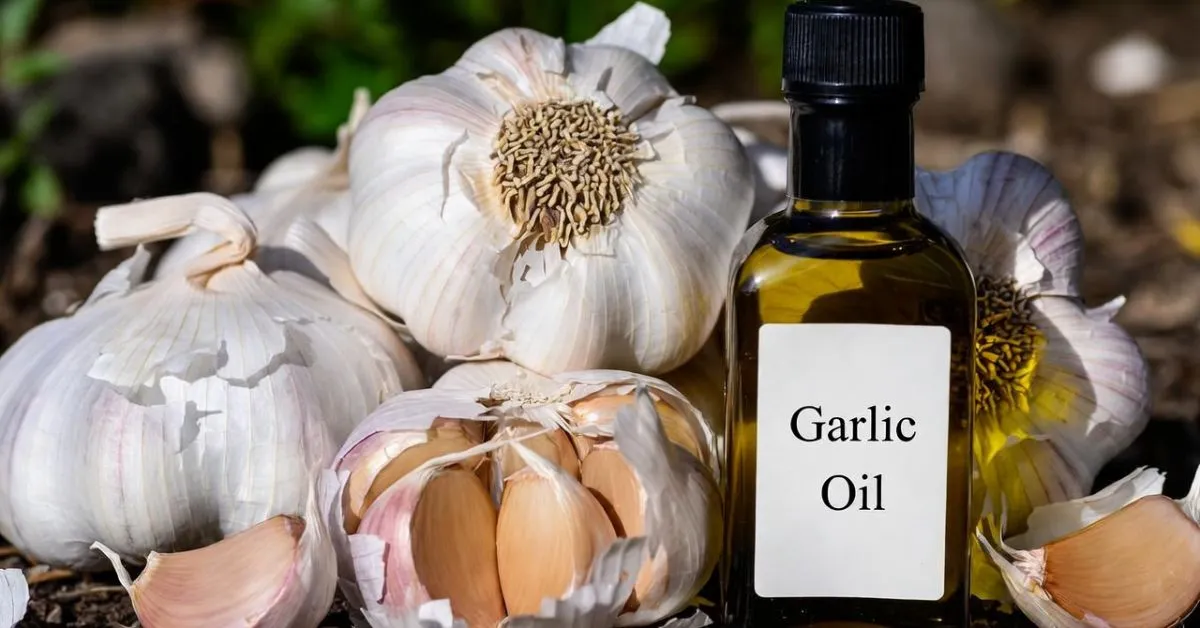
Garlic oil is basically the useful bits pulled out of fresh garlic bulbs. You can get two main kinds. One is the strong essential oil made by steaming the cloves — super concentrated, usually sold in tiny bottles for aromatherapy or supplements. The other — and the one most of us use — is infused oil: crushed garlic steeped in olive oil or something similar so it’s milder and tastes good on bread or in pasta.
The magic comes from allicin. It only forms when you crush or chop the garlic, turning a harmless compound into this sulfur-packed fighter that gives the smell and most of the health kick. There are other sulfur things in there too, like diallyl disulfide, that help fight bugs and calm swelling. Essential oil loses some of that fresh allicin because of the heat in production, but infused keeps more of the real-deal flavor and compounds. Pick whichever fits what you’re doing — strong drops for quick remedies, or the gentler infused stuff for everyday cooking.
The Health Stuff That Actually Holds Up
I’m not going to pretend garlic oil fixes everything, but the research isn’t fluff. Rub some diluted garlic oil on sore joints or muscles and it can take the edge off inflammation — Cleveland Clinic literally says it works that way for achy spots. My brother started adding a little to his meals after his cholesterol check came back higher than he liked; after a couple months he saw a small drop (nothing dramatic, but noticeable).
Here’s what tends to show up most consistently:
- Your immune system gets a boost. That allicin helps tackle viruses and bacteria; some older trials found people got fewer colds when they used it regularly.
- Blood pressure can ease off a bit — often 7–9 mmHg on the top number for folks who run high.
- Cholesterol usually dips 4–6% (total and the “bad” LDL kind) if you stick with it for a while.
- Swelling goes down, which is handy for joints, skin flare-ups or post-workout soreness.
- It knocks back certain stomach bugs like H. pylori better than some other natural options.
- Antioxidants help protect cells — maybe slower wear-and-tear or a bit of detox support.
- Blood sugar can stay steadier, which matters if you’re watching diabetes.
- There’s some early talk about lower long-term cancer risk, but it’s still early days — don’t bank on it yet.
Healthline and WebMD both point out these effects are usually modest but real, especially when you use it consistently rather than as a one-off. Small changes that add up over weeks, not overnight miracles.
How to Make Your Own Garlic Oil Without the Worry
Making it at home is dead simple and way cheaper than buying fancy bottles — plus you know exactly what’s in it. The catch? Botulism risk if you store it badly. I learned that the hard way after leaving a jar out once (thankfully nothing happened, but lesson learned).
Safe way that works for me:
- Peel and finely chop or crush 6–8 fresh cloves.
- Gently warm 1 cup olive oil (or grapeseed if you want neutral taste) on the lowest heat — no smoking or burning.
- Toss the garlic in, let it bubble softly 5–7 minutes until it smells amazing and softens.
- Pull it off the heat, strain out the bits, cool it down.
- Jar it up and straight into the fridge. Use within a week max.
Always fridge it immediately — never leave it sitting out. If it starts smelling sour or weird, bin it. Some people acidify the garlic first with a touch of citric acid or lemon juice for extra safety (extension services recommend that for longer storage), but the quick fridge method is fine for short use. Homemade tastes fresher and costs almost nothing compared to shop versions that sit on shelves forever.
Practical Ways to Actually Use It
This is where garlic oil stops being “health stuff” and just becomes handy. Drizzle a teaspoon over roast potatoes or mix into salad dressing — instant flavor without the chopping hassle. Or try what a friend does for her thinning hair: mix a bit with coconut oil, massage into the scalp once a week for half an hour, then rinse. She reckons it cuts dandruff and makes strands look healthier — probably the antimicrobial action helping the scalp.
Other easy wins:
- Cooking: Marinades, soups, stir-fries — a little goes far.
- Skin: Dab diluted on spots or minor irritations (patch test first!).
- Ears: Warm a couple drops for comfort during an earache (only if a doctor says it’s okay).
- Capsules: If the smell bothers you but you want the benefits daily.
- Chest: Rub diluted on for cold-season relief.
- Garden: Heavy dilution sprayed on plants keeps some pests away naturally.
One summer my basil kept getting chewed up; a weak garlic oil spray sorted it quick. No chemicals, plants happy.
Garlic Oil vs the Other Options
Raw garlic gives the biggest allicin hit but leaves you smelling like a pizza oven for hours. Garlic oil softens that while keeping most perks — easier to control the dose too. Onion oil does similar sulfur tricks but usually doesn’t match garlic on heart stuff.
Capsules kill the odor problem and give steady amounts, though they sometimes skip some of the fresh-plant magic. Oil wins on versatility: cook with it, rub it on, whatever. Downside? Can sting skin if you forget to dilute, and homemade doesn’t last as long.
Playing It Safe – Side Effects & Smart Habits
Most people handle garlic oil without drama, but it’s not invisible. Breath and body odor are the top complaints — munching parsley or fennel seeds helps knock it back. Stomach might grumble or feel gassy if you go heavy-handed; start small. Skin can redden or burn if you put it on neat, so always mix with a carrier.
It lightly thins blood, so ease off before any operation or if you’re on blood thinners — chat with your doc. Allergies are uncommon but happen (hives, swelling). If you’re pregnant or breastfeeding, food amounts are usually fine but check first.
Daily sweet spot: roughly 2–5 mg (about one clove’s worth) through oil or capsules. Take it with food to cut tummy trouble, and listen to your body.
What’s Happening With Garlic Oil These Days
Demand keeps climbing because more people want natural options. Recent market reports put the broader garlic category growing steadily (some say 5–6% yearly through the early 2030s), with oils, supplements, and organic versions leading the charge. Asia grows most of it, but clean-label stuff is popping up everywhere. Sustainable farming practices are slowly improving too. Fits perfectly with the whole “eat real food that helps you feel better” trend.
FAQs People Always Ask
What are the main benefits of garlic oil?
It helps your immune system fight colds better, nudges blood pressure and cholesterol down a little (4–6% range), calms inflammation for joints or skin, and has antibacterial action against things like H. pylori. Nothing huge, but consistent use adds up. Dilute for skin to avoid irritation.
How do you make safe garlic infused oil at home?
Crush fresh cloves, warm gently in olive oil 5–7 minutes, strain, cool completely, then refrigerate right away. Use within a week. Never store at room temp — that’s the botulism danger zone.
Does garlic oil help hair growth or dandruff?
Yeah, quite a few people find it reduces flaking and supports healthier scalp thanks to the antimicrobial side. Mix with coconut or olive, massage in weekly, leave 30 minutes, rinse.
What side effects should I watch for?
Garlic breath and body smell are the worst for most. Stomach upset, gas or skin sting if undiluted happen too. It can increase bleeding risk with certain meds or before surgery. Start low.
Can I put garlic oil in my ear for pain?
A couple warm drops may ease discomfort from an infection because of the antibacterial properties. It’s a home trick, not a cure — see a doctor for anything serious, and never use if the eardrum’s damaged.
How much garlic oil per day is sensible?
Around 2–5 mg (like one clove equivalent) through oil or capsules works for most benefits. Stay consistent, take with meals to avoid tummy issues, and check with a doctor if you’re unsure.
Next time you crush some garlic, think about saving a bit in oil form. It’s cheap, easy, and might quietly make a few things in your day feel a little better. Give it a go — worst case, your food tastes amazing.