Men’s Sleep Optimization: 2026 Guide to Peak Performance
Men’s Sleep Optimization Struggling with low energy, weak workouts or fading drive? Men’s sleep optimization in 2026 can fix that. Learn science-backed habits, tracker tips and fixes to boost testosterone, recovery and focus fast.
Men’s Sleep Optimization you barely slept, even after eight hours in bed. Your gym sessions feel heavy, your mood is flat, and that edge you used to have is slipping. Sound familiar? For a lot of guys, the real issue isn’t effort—it’s sleep quality. When sleep is dialed in, testosterone stays strong, recovery speeds up, and everything else just works better.
Men’s Sleep Optimization In 2026 we know more than ever about how men’s sleep differs from women’s. Higher rates of apnea, bigger screen habits, and natural testosterone cycles mean small targeted changes deliver outsized results. This guide cuts through the noise and gives you what actually moves the needle.
Here are the main points you’ll walk away with:
- Seven to nine solid hours protects testosterone better than any supplement stack.
- Fixing hidden sleep apnea often brings back energy and libido faster than anything else.
- Keeping your bedroom at 60–67°F unlocks deeper sleep stages critical for muscle repair.
- Timing workouts and wind-downs correctly turns sleep into a performance multiplier.
- Trackers show real progress so you stop guessing and start improving.
Why Sleep Optimization Matters More for Men
Men lose testosterone faster when sleep gets short. One week of five-hour nights drops daytime levels by 10–15% in young guys according to research published in JAMA. That same restriction hits recovery, mood and focus hard.
Sleep apnea hits men harder too—around 34% of adult men have it compared with 17% of women. Untreated, it fragments sleep, tanks oxygen and drags testosterone down further. Many guys live with snoring or waking up tired for years before connecting the dots.
Men’s Sleep Optimization When sleep improves, the benefits compound quickly. Better deep sleep supports muscle repair. Stronger REM helps mental sharpness. Stable hormones keep drive and confidence steady. Sleep isn’t a luxury—it’s the foundation guys often overlook.
How Poor Sleep Sabotages Men’s Health
Men’s Sleep Optimization Short sleep messes with more than just feeling groggy. Chronic restriction raises cortisol, lowers growth hormone and disrupts insulin sensitivity. Over months that shows up as stubborn fat, weaker lifts and lower motivation.
Men’s Sleep Optimization Testosterone follows a daily rhythm that peaks in the morning after good sleep. When nights are chopped up, that peak flattens. Studies from NHANES data show men sleeping six hours or less often have lower T, especially after age 40.
Libido takes a hit next. Poor sleep links directly to erectile issues and reduced desire. Fatigue compounds everything—guys push through workouts on empty tanks and wonder why progress stalls.
Core Pillars of Men’s Sleep Optimization
Start with consistency. Go to bed and wake up at the same time every day, even weekends. Your body loves rhythm. Aim for a 10–11 pm bedtime if you rise at 6–7 am.
Control light. Dim lights two hours before bed and wear blue-light blocking glasses if you must use screens. Blue light at night delays melatonin by up to three hours in many men.
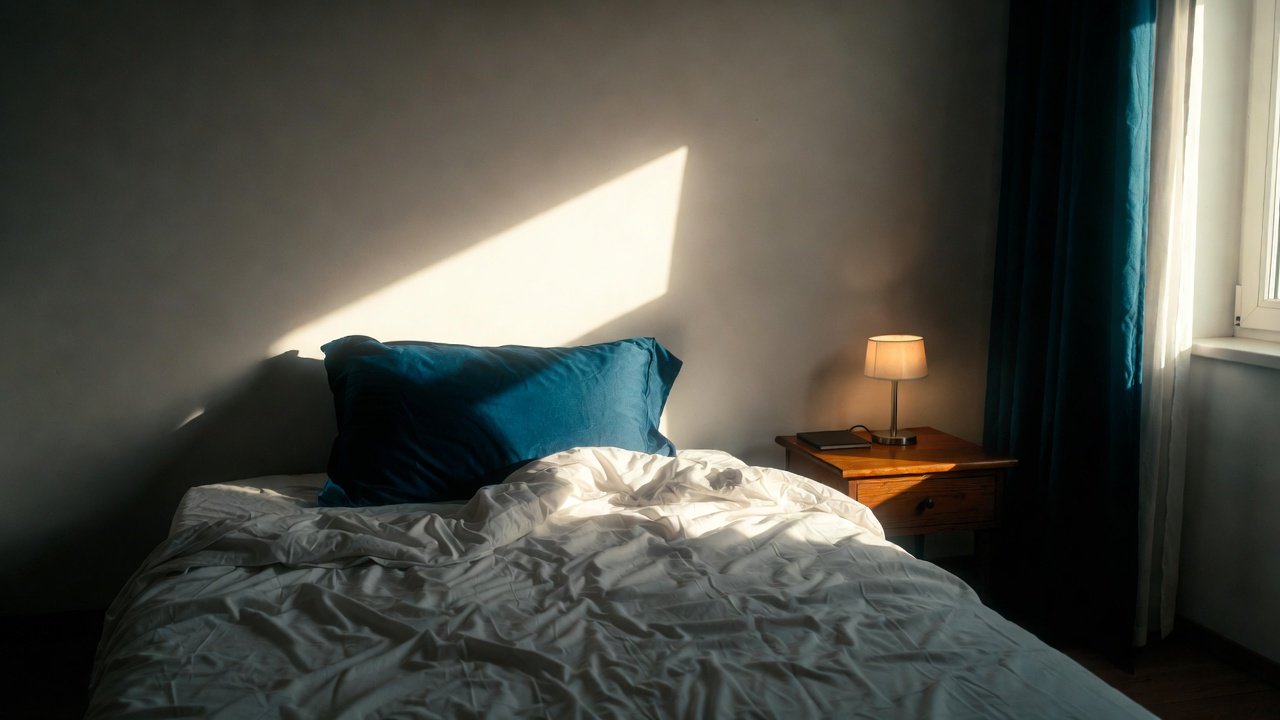
Cool the room. Set thermostat to 60–67°F. Men tend to run hotter at night, so a cooling mattress pad or fan makes a noticeable difference in falling asleep and staying asleep.
Darken completely. Blackout curtains or an eye mask block even small streetlight leaks that fragment sleep.
Keep it quiet. Earplugs or white noise machines drown out partner snoring or traffic.
Nutrition & Supplements That Support Sleep
Men’s Sleep Optimization Cut caffeine after 2 pm—its half-life is long and many men metabolize it slowly. Alcohol might help you fall asleep but it destroys deep and REM stages later in the night. Stop three to four hours before bed.
Magnesium glycinate (300–400 mg) about an hour before bed relaxes muscles and calms the nervous system. Studies show it shortens time to fall asleep and improves sleep efficiency in men who are low.
Men’s Sleep Optimization Glycine (3 g) before bed lowers core temperature and boosts sleep quality without morning grogginess. Tart cherry juice provides natural melatonin and works well for guys who train hard.
Avoid big meals close to bedtime. A light protein-fat snack like Greek yogurt and nuts stabilizes blood sugar overnight.
Exercise Timing & Recovery Optimization
Lift in the late afternoon or early evening when body temperature and strength peak. Men’s Sleep Optimization Evening strength sessions often lead to deeper sleep that night compared with late-night workouts.
Men’s Sleep Optimization Finish intense cardio at least three hours before bed—late high heart rate delays melatonin release. A short walk or mobility session after dinner is better.
Men’s Sleep Optimization Post-workout protein within two hours helps recovery without overloading digestion before sleep. Avoid stimulants like pre-workout after 4 pm.
Cool down properly. Five to ten minutes of stretching or foam rolling lowers nervous system arousal and primes deeper rest.
Identifying & Fixing Sleep Apnea in Men
Snoring, waking up gasping, daytime sleepiness, dry mouth in the morning or partner complaints are red flags. Men with thicker necks or higher BMI are at higher risk.
Start with an at-home sleep test—many clinics now offer them for $200–400. They track oxygen, breathing pauses and heart rate overnight.
If diagnosed, CPAP remains gold standard for moderate to severe cases. Oral appliances work well for mild apnea and are easier for travel. Weight loss of 10% often cuts severity significantly.
Lifestyle fixes help too—side sleeping, nasal strips, avoiding alcohol and sleeping elevated reduce symptoms.
Trackers & Tech for Data-Driven Improvement
Oura Ring tracks temperature, HRV and sleep stages accurately for most men. Whoop focuses on recovery scores and strain balance. Apple Watch or Garmin provide solid basics without extra cost.
Men’s Sleep Optimization Focus on these metrics: deep sleep percentage (aim 20–25%), REM (20–25%), sleep efficiency (90%+), resting heart rate drop at night, and HRV trend upward.
Use data to experiment—one week cooler room, next week earlier cutoff for screens—and see what moves your scores most.
Avoid obsession. Check averages weekly, not nightly. The goal is better mornings, not perfect graphs.
Age-Specific Sleep Strategies
In your 20s and 30s protect peak testosterone by avoiding weekend catch-up sleep—it disrupts rhythm. Limit late nights to once a week max.
After 40 natural testosterone decline accelerates. Prioritize apnea screening and consistent 7.5–8.5 hours. Magnesium and glycine become more helpful here.
Over 60 fragmentation rises. Extra focus on joint comfort (cooling pillow), safety (motion-sensor night light) and lighter evening meals helps maintain quality.
Building Your 30-Day Men’s Sleep Plan
Week 1 Lock bedtime/wake time. Blackout room. No caffeine after 2 pm. Track baseline with phone app or wearable.
Week 2 Add blue-light blockers after 8 pm. Drop room to 65°F. Start magnesium glycinate. Note energy and mood shifts.
Week 3 Time workouts earlier. Test glycine or tart cherry. Log apnea signs—if snoring heavy, order at-home test.
Week 4 Refine based on tracker data. Add side sleeping if needed. Review full-month average—aim for 15–20% improvement in deep sleep or HRV.
Adjust slowly. One change at a time shows what really works for your body.
Frequently Asked Questions
How many hours of sleep do men need for optimal testosterone?
Men’s Sleep Optimization Seven to nine hours protects testosterone best for most men. Less than six hours regularly drops levels 10–15%. Over nine hours can sometimes lower T in middle-aged guys. Quality matters as much as quantity.
Does sleep apnea lower testosterone in men?
Yes. Untreated apnea fragments sleep and reduces oxygen, often lowering testosterone, energy and libido. Treating it with CPAP or lifestyle changes frequently reverses fatigue and hormonal symptoms quickly.
What’s the best temperature for men’s deep sleep?
Aim for 60–67°F (15–19°C) in the bedroom. A lower core body temperature triggers deeper sleep stages. Many men sleep hotter, so cooling sheets, fans or mattress pads make a big difference in sleep depth and morning freshness.
Can magnesium really improve men’s sleep quality?
Magnesium glycinate (300–400 mg before bed) helps many men relax, fall asleep faster and stay asleep longer. Evidence is strongest for those low in magnesium. Side effects are rare and it pairs well with training recovery.
How does blue light affect men’s sleep more than women’s?
Men tend to use screens later in the evening. Blue light suppresses melatonin more strongly at night, delaying sleep onset and cutting deep sleep needed for testosterone production and physical recovery. Blocking it helps a lot.
Is 8 hours always better than 7 for muscle-building men?
Not always. Seven to eight-and-a-half hours of high-quality sleep supports recovery better than nine hours of fragmented sleep. Track deep and REM percentages—if they’re strong, seven solid hours often outperforms longer restless nights.
Pick one thing tonight—maybe set the thermostat lower or cut caffeine earlier—and stick with it for a week. Small consistent wins stack up fast. Your body will thank you with more energy, stronger lifts and sharper focus. Start tonight