What Does “Foreheading” Mean? Slang Explained + Tips
Seen “forehead is foreheading” pop up and thought, wait what? It’s that cheeky slang for when your forehead decides to take center stage. Come along as I explain it like we’re chatting over coffee, plus real talk on styling tricks and just owning it.
Key Takeaways
- Foreheading is your forehead going full main-character mode—big, bold, and impossible to ignore, usually said with a grin.
- It plays in the same sandbox as “fivehead” jokes: poking at size but flipping it to feel empowering instead of embarrassing.
- You can soften the look with bangs or a sneaky makeup move, or lean in and love it—lots of folks say it gives their face extra personality.
- Trends have shifted big time toward celebrating what makes you different rather than stressing over hiding it.
- At the end of the day, it’s your call: tweak it, ignore it, or celebrate it—whatever brings you peace.
Let me set the scene for you. You’re rushing out the door, hair yanked into a quick ponytail because life’s busy. You catch a glimpse in the car mirror and—oh man—your forehead is basically waving hello to the world. You crack up, think “forehead is foreheading hard today,” and maybe even text a friend about it. That moment? That’s exactly why this phrase exists. It’s not cruel or judgy—it’s the kind of gentle self-tease that makes you feel less alone when your features do something unexpected.
So… What Does Foreheading Actually Mean?
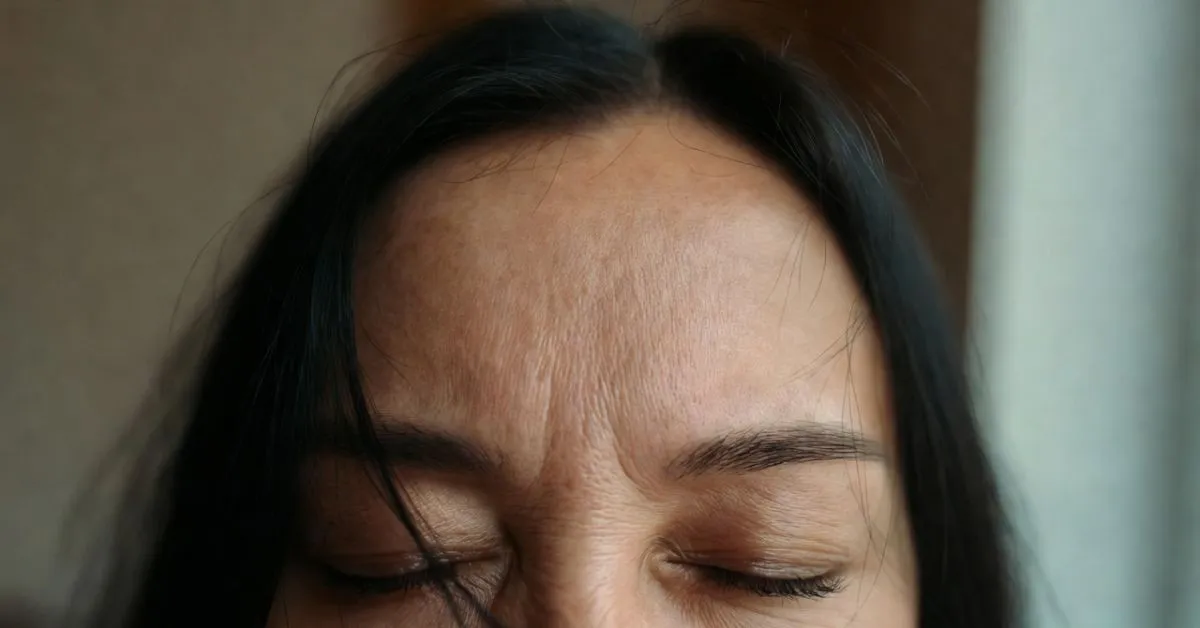
Straight up: foreheading is when you turn “forehead” into an action word. Your forehead isn’t just there—it’s foreheading. Showing off, standing proud, taking up real estate on your face. Happens most when hair is swept back, when strands are thinning and revealing more skin, or just on days when it feels particularly prominent.
Compare that to normal forehead chat. “I have a high forehead” is neutral, clinical almost. Add the -ing and suddenly it’s got sass. Like your forehead showed up to the party and refused to sit in the corner.
It pairs really well with “fivehead.” You know that one: regular forehead fits four fingers across, bigger version gets bumped to fivehead. Foreheading adds motion to the joke—your forehead isn’t static; it’s actively being extra. Both live in that sweet spot of self-roast humor where laughing at ourselves feels good, not mean.
How Did Foreheading Become a Thing People Say?
These kinds of phrases catch on because they nail a feeling in two seconds flat. You notice your forehead dominating a selfie, the word foreheading sums it up perfectly, and suddenly it’s spreading. It remixes those tired old feature jokes by making the body part the one doing the work—funny and fresh.
Even better, it rides this bigger wave where people are done hiding stuff. Instead of covering up and pretending, folks post the joke, get likes and “me too” replies, and it turns into a little bond. Catchy, short, caption-ready—it’s made for today’s scroll.
Why Do Foreheads Get So Much Focus Anyway?
Genetics is the main culprit. Some faces just come with a higher hairline or wider brow—it’s coded in from day one. Then life adds layers: stress or age thins hair, pregnancy shifts your hairline, or you go for that slicked-back style and everything’s suddenly exposed.
It can sting, right? You stare in the mirror or flip through photos thinking, “why is my forehead the loudest thing here?” Maybe it makes your proportions feel off, or you worry people notice it first.
Flip the coin though, and there’s a lot of love out there for it. Beauty people, artists, even historical vibes often praise a clear forehead for looking intelligent, friendly, open. Old portraits use smooth brows to signal wisdom and grace. Real faces vary wildly, and that’s not a bug—it’s the feature.
Quick side note: proportion studies usually say the forehead should be about one-third of your face height for “balance.” But in actual life, people land all over, and it rarely changes how attractive or likable someone is.
Real-Life Ways to Style or Dial Back a Prominent Forehead
Not in the mood to let it run wild? Hairstyles are the easiest fix—no doctor visits, no big spending.
Curtain bangs are a crowd favorite for a reason. They split down the middle, drape softly, cover the edges without smothering your face. They move naturally and suit almost every face shape.
If you want lighter, try wispy or side-swept bangs. They’re feathery, barely-there, and pull eyes sideways instead of up. Super forgiving if your hair’s fine or you hate heavy fringes.
Add face-framing layers—long pieces that hit around your cheeks and temples. They create softness and balance. Throw in some waves or texture and it looks even more effortless.
Updos with volume work wonders too. High bun with a few strands left loose in front, or a messy ponytail with lift at the crown—suddenly the proportions feel more even.
Makeup trick I swear by: matte bronzer (one shade deeper) brushed lightly along the outer hairline edges, blended like your life depends on it. Creates soft shadows that make the area recede. Dab highlighter just above the brows to redirect attention down. Whole thing takes under three minutes.
For something permanent, forehead reduction surgery lowers the hairline by removing a thin strip of skin and advancing it—averages 1.6–2.3 cm drop. Serious complications are rare (under 1%), mostly temporary swelling. But it’s real surgery: downtime, thousands in cost, faint scars that fade. Most start with hair tweaks first—they’re instant and risk-free.
How to Get to “I Actually Like This”
The real magic happens when you decide it’s not an issue to fix—it’s just part of your look. Extra forehead space means your expressions read bigger: bigger smiles, more dramatic reactions, warmer vibe overall.
Try this: mirror time, catch yourself nitpicking, stop and name three things you do like. Your eye shape, your laugh lines, your skin glow—anything. Feels silly at first, but it rewires the inner critic over time.
You’re not alone in this shift. “Big forehead energy” is out here being called smart, bold, memorable. People talk about how dropping the fixation made photos easier, days lighter, confidence steadier. It’s freeing.
Comparing Your Options Side by Side
Bangs win for speed: cover-up in minutes, zero cost, change your mind anytime. Surgery is forever, but healing, money, and a bit of scar talk make it a bigger leap—save for when styling falls short.
Makeup contouring is flexible daily play: adjust as you like, remove at night. Transplants thicken coverage naturally but wait months for results and cost more.
Quick cheat sheet:
- Bangs: quick, trendy, almost no downside (maybe trims).
- Contouring: cheap, temporary, totally in your control.
- Surgery: permanent result; more involved and pricey.
Choose what fits your energy right now. Often, good hair days plus a little self-kindness handle 90% of it.
FAQs
What does “forehead is foreheading” mean?
It’s playful self-tease for when your forehead looks super prominent—hair back, bold lighting, whatever. Just fun acknowledgment of a standout feature.
Is “foreheading” the same as “fivehead”?
Close cousins. “Fivehead” measures width (five fingers vs four). “Foreheading” makes it active—like your forehead is confidently owning the moment. Both affectionate jabs.
Why do people say “my forehead is foreheading”?
When hair’s pulled away, thinning reveals more, or it’s having a spotlight day. Turns potential awkwardness into relatable humor we all share.
How can I hide a big forehead without much work?
Wispy side bangs or curtain style cover lightly. Frame face with layers, add crown volume. Light contour at hairline edges blends fast for natural balance.
Are big foreheads attractive?
Yes—many love them for looking open, intelligent, unique. Trends celebrate over conceal. Confidence turns any trait into a strength.
What’s big forehead positivity all about?
Flipping old teasing into empowerment. Accepting the feature brings ease, personality, less worry. It’s about feeling good, not “fixing.”
So there it is—the whole foreheading story. Your forehead might be foreheading extra some days, and hey, that’s part of the charm. Maybe try those curtain bangs next wash day, or give yourself a quick mirror pep talk. You’re the one living in this face—make it feel like home. What little switch are you feeling like making?