Male Panel Blood Test
Wondering what a male panel blood test checks? This simple guide explains key biomarkers like testosterone and PSA, why men get it, prep tips, costs around $100-400, and how results can boost your energy and health.
Hey, if you’ve been feeling more tired than usual, noticing less drive in the bedroom, or just hitting that age where you want to stay ahead of health issues, you’ve probably come across the idea of a male panel blood test. It’s basically a smart way to get a full picture of what’s going on inside your body—especially the stuff that affects guys most.
Think of it as a check-up focused on you: hormones that keep your energy up, heart risks that creep in with age, blood sugar that could signal trouble, and even prostate markers. Many men turn to these Male Panel Blood Test when symptoms like low energy or mood dips start showing up, or simply to catch things early before they become bigger problems.
Here are the main things you’ll walk away knowing:
- A male panel blood test gives a clear view of hormone balance, heart health, blood sugar control, and prostate status—tailored for men.
- It often spots low testosterone (affecting energy, muscle, and mood), prediabetes, thyroid issues, or high cholesterol before you feel really bad.
- Morning draws after fasting give the most accurate hormone numbers; many panels cost $100-400 through direct labs.
- Testing once a year after 35-40 helps track changes and guide fixes like better sleep, exercise, or doctor talks.
- Easy access through places like Labcorp or Quest means no doctor visit needed upfront—results come fast, so you can act.
Why Men Need a Comprehensive Male Panel Blood Test
As guys get older, things shift quietly. Testosterone starts dropping after about 40, which can sap strength, mood, and interest in things you used to enjoy. Add in modern life—stress, poor sleep, less movement—and risks for heart issues, diabetes, or thyroid slowdown pile up.
A standard check-up might miss these male-specific patterns. A dedicated Male Panel Blood Test pulls together tests that look at hormones alongside general markers. It helps explain why you’re dragging through the day or why workouts feel harder.
Early catches make a difference. For example, about 25% of men with type 2 diabetes have low testosterone compared to 13% without it. Spotting that link early lets you address both through lifestyle or medical steps.
Preventive screening also fits guidelines from groups like the Endocrine Society and American Urological Association—think shared decisions on prostate checks or confirming low T with repeat morning tests below 300 ng/dL.
Key Biomarkers in a Male Panel Blood Test
These panels vary by provider, but most cover a core set that gives solid insight.
Hormone Levels (Testosterone, Free/Total, Estradiol) Testosterone drives muscle, bone strength, fat distribution, red blood cells, and sex drive. Total measures overall; free shows what’s active and available. Estradiol (a form of estrogen) matters too—too high or low can throw things off. Panels often include SHBG (binds hormones) for better context.
Prostate Health (PSA) Prostate-specific antigen screens for enlargement or potential cancer risks. Levels rise with age or issues, but guidelines stress discussing pros/cons since not all elevations mean cancer.
Metabolic & Blood Sugar (CMP, HbA1c) Comprehensive metabolic panel checks glucose, electrolytes, kidney/liver function. HbA1c shows average blood sugar over months—great for spotting prediabetes (over 80% undiagnosed in some stats).
Heart & Cholesterol (Lipid Panel) Measures total cholesterol, LDL (bad), HDL (good), triglycerides. High patterns raise heart attack or stroke odds.
Thyroid Function (TSH, Free T4) TSH signals if your thyroid is under- or over-active, affecting energy, weight, mood.
Other Essentials (CBC, Vitamin D, DHEA-S) CBC looks at Male Panel Blood Test for anemia or infection. Vitamin D supports bones, immunity, mood. DHEA-S (adrenal hormone) influences energy and aging.
Benefits and What It Can Reveal
The real win is clarity. Low energy might come from low T, thyroid lag, or high blood sugar—not just “getting older.” One man in his 40s felt wiped out daily; his panel showed borderline low T and prediabetes. Simple changes—better sleep, strength training—helped him bounce back.
It supports decisions too. For guys on or considering testosterone replacement, monitoring prevents side effects like thickened blood. Fertility checks often include LH/FSH to see sperm production signals.
Early flags for heart risks or prostate changes let you act sooner—lifestyle tweaks or specialist talks.
How to Prepare and What to Expect
Good prep means trustworthy results.
- Fast 9-12 hours (water okay) for accurate lipids and glucose.
- Schedule morning draw (7-10 AM) when testosterone peaks naturally.
- Skip biotin supplements (hair/skin ones) for 72 hours—they can skew some tests.
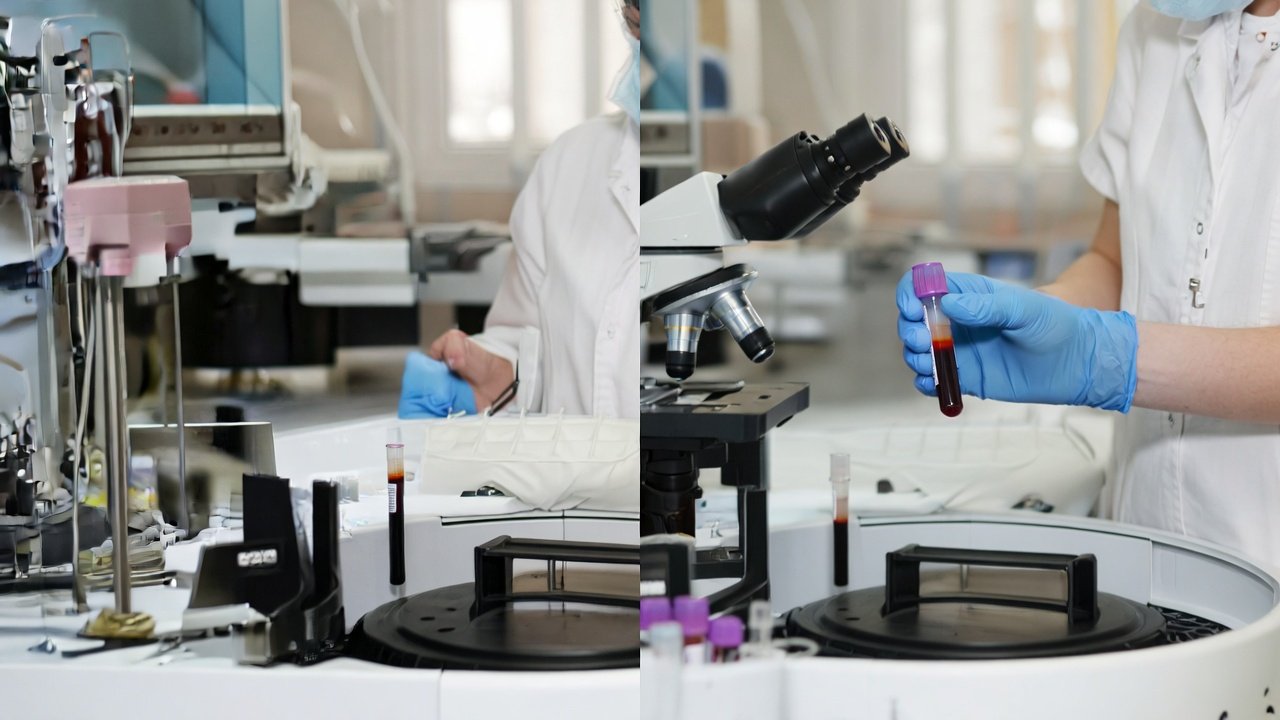
Most use a quick blood draw at a lab. At-home kits exist but blood panels usually need a pro draw. Results land in 1-5 days, often online.
Direct services skip doctor visits—order, go to Quest/Labcorp, get results.
Interpreting Your Male Panel Results
Ranges vary slightly by lab/age, but here’s a plain guide:
- Total testosterone: 300-1000 ng/dL typical; under 300 flags low T (confirm twice).
- Free testosterone: Key for symptoms even if total looks okay.
- PSA: Under 4 ng/mL common, but trends matter more than one number.
- HbA1c: Below 5.7% normal; 5.7-6.4% prediabetes.
- Lipids: Aim for LDL under 100 mg/dL, HDL over 40.
Red flags? Talk to a doctor. Don’t self-diagnose—context like symptoms or history counts.
Track over time. Yearly tests show if diet/exercise shifts help.
Costs, Accessibility, and Best Options
Prices run $100-400 based on depth. Basic hormone-focused might hit lower end; full with extras closer to $300+.
Direct-to-consumer (Labcorp OnDemand, Quest, Walk-In Lab, Ulta) keeps it affordable—no insurance needed, often cheaper than billed rates.
Insurance might cover if doctor-ordered for symptoms, but many pay cash for convenience/privacy.
Compare: Start basic if budget tight; add prostate or vitamins later.
Common Alternatives and Comparisons
Basic hormone test: Just testosterone/related—cheaper but misses metabolic/heart side.
Full male panel: Broader, better for whole-picture view.
At-home saliva kits: Easy for testosterone trends but less accurate than blood for total/free.
Add-ons like cortisol (stress) or vitamin panels fit if needed.
Blood beats saliva for reliability on most markers.
Addressing Common Challenges and Pain Points
Many guys hesitate—stigma around low T or sexual health talks. But testing is private; results empower you.
Symptom overlap confuses: Fatigue from low T? Thyroid? Poor sleep? Panel sorts it.
Follow-up matters. Abnormal? See a doc—don’t ignore.
Lifestyle influences results: Weight training boosts T naturally; better diet lowers lipids.
Biotin or timing errors skew things—prep right.
Current Trends in Men’s Health Testing (2025-2026)
Direct-access grows—order online, draw nearby.
At-home options expand, though blood remains gold standard.
Guidelines evolve: More focus on free T, shared PSA decisions (ages 45-69+ risk-based).
Longevity angle rises—men track for optimization, not just sickness.
Frequently Asked Questions (FAQS)
What does a male panel blood test include?
It checks testosterone (total and free), estradiol, PSA for prostate, CMP for metabolism/kidneys/liver, lipid panel for cholesterol/heart risk, CBC for blood cells, TSH for thyroid, HbA1c for blood sugar, often vitamin D and DHEA-S. Some add LH/FSH or extras for deeper hormone views.
How much does a male panel blood test cost?
Expect $100-400 depending on how many markers and the provider. Basic ones start around $100-200; comprehensive with hormones, prostate, and metabolic tests hit $250-400. Direct labs like Labcorp or Quest often offer the best cash prices without insurance hassles.
Do I need to fast for a male panel blood test?
Yes for most—fast 9-12 hours (water only) to get accurate lipid and glucose numbers. Hormone tests need a morning slot (7-10 AM) since levels peak then. Skip biotin supplements for a few days to avoid false readings.
What are normal testosterone levels in a male panel?
Total testosterone usually falls between 300-1000 ng/dL for adult men. Below 300 ng/dL often signals low T, but confirm with at least two morning tests. Free testosterone and SHBG give better symptom context—talk to a doctor for your personal range.
Is a male panel blood test the same as a hormone panel?
Not exactly. A pure Male Panel Blood Test focuses on testosterone, estradiol, LH/FSH, etc. A male panel adds broader checks like PSA, lipids, CMP, CBC, thyroid, and HbA1c for overall men’s wellness, heart, and metabolic health—not just hormones.
How often should men get a male panel blood test?
Once a year after 35-40 works well for preventive tracking. More often (every 6 months) if on TRT, fixing low T, or managing diabetes/thyroid. Use it to watch trends and adjust lifestyle or treatment early.
Taking that first step with a male panel blood test puts you in control. If fatigue, low drive, or just wanting to feel sharper has you thinking about it, ordering one could give answers and a clear path forward. Talk to a healthcare pro about your results—they’ll help turn numbers into real improvements. Your health is worth it—why wait?