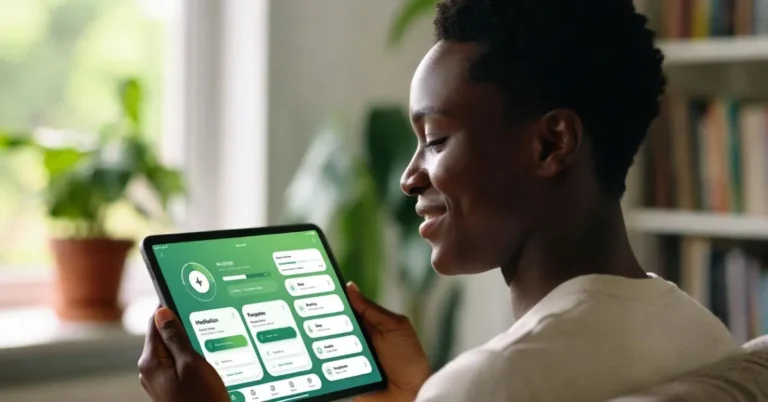

Mindful Masculinity: 2026 Guide to Authentic Strength
Mindful masculinity means strength with awareness, empathy, and real connection. See how it helps men handle stress, build better relationships, and feel more grounded in 2026. Practical steps to start today.
You sit across from a friend who just lost his job. He says he’s fine—voice flat, shoulders tight, eyes anywhere but yours. You know he’s hurting, but the words stay locked. That moment captures what many men feel every day: the weight of staying strong at the cost of being real. Mindful masculinity offers a different path—one where strength includes honesty, where power comes from presence instead of pretense.
In 2026 more men are quietly asking the same question: how can I be strong without shutting down? The old rules—never show weakness, always fix things, keep emotions small—no longer fit. Mindfulness gives a way to keep the best parts of being a man while letting go of the parts that hurt.
Here are the main points you’ll carry away:
- Mindful masculinity combines presence and compassion with authentic male traits like courage and responsibility.
- It lowers stress and builds deeper relationships by making space for real feelings.
- Daily habits like short breathing pauses or honest check-ins create lasting change.
- Vulnerability becomes a strength when practiced with intention and self-kindness.
- This approach supports mental health without rejecting masculinity—it expands it.
What Is Mindful Masculinity?
Mindful masculinity is a conscious way of being a man. It uses mindfulness—simple awareness of thoughts, feelings, and body—to shape strength, leadership, and connection. Instead of hiding emotions to seem tough, it invites men to notice them, name them, and respond with care.
The idea stands apart from toxic masculinity, which pushes suppression, dominance, and control. It also differs from rejecting masculinity altogether. It keeps qualities many men value—protectiveness, decisiveness, reliability—and adds emotional range, empathy, and self-awareness.
Writers like Liz Plank describe it as “liberating masculinity.” It frees men from narrow roles so they can show up fully in work, family, and friendships.
Why It Matters in 2026
Men still face higher suicide rates and lower rates of seeking help. Many carry stress alone because admitting struggle feels like failure. Mindfulness offers tools to face pressure without breaking.
Younger men especially are shifting. They see emotional intelligence as modern strength. Therapy, breathwork, even silent retreats are no longer fringe—they’re part of how guys build resilience.
This matters because isolation hurts health and relationships. When men practice mindful awareness, they connect more honestly. That single change ripples outward.
Key Benefits for Men’s Well-Being
Mental health improves first. Regular mindfulness lowers cortisol and eases anxiety. Men who practice report feeling less trapped by anger or numbness.
Relationships deepen. Listening without fixing, sharing without shame—these build trust. Partners and friends feel seen, not managed.
Personal growth follows. Self-compassion replaces harsh self-criticism. Men discover they can be both strong and soft, decisive and open.
Resilience grows. Instead of pushing through burnout, mindful men pause, reset, and return clearer. That balance sustains long-term performance.
Common Challenges & Pain Points
Vulnerability still carries stigma. Many men hear “be emotional” and picture weakness. That fear keeps honest talk rare.
Time feels scarce. Work, family, responsibilities pile up. Sitting still for five minutes can seem impossible.
Skepticism runs deep. Mindfulness sometimes feels commercialized or “soft.” Men worry it will dull their edge.
Access varies. Therapy or retreats cost money. Rural areas or tight budgets limit options.
Core Practices to Build Mindful Masculinity
Start with breath. Sit for three minutes, eyes closed, follow the inhale and exhale. When thoughts drift, gently return. This anchors awareness.
Name feelings daily. At night, write one sentence: “Today I felt…” No judgment, just observation. Over weeks patterns emerge.
Practice active listening. In conversation, focus fully—no planning your reply. Reflect back what you heard. It builds connection fast.
Move mindfully. Walk, lift weights, or stretch while noticing body sensations. Turn routine activity into presence practice.
Set small boundaries. Say no when needed. Protect energy without guilt. That protects relationships too.
Real-World Applications & Examples
In partnerships, share one honest feeling daily—“I felt overwhelmed today”—instead of fixing everything. It invites closeness.
At work, lead meetings with curiosity. Ask “What do you need?” instead of dictating. Teams respond with trust.
As a father, model calm presence. When a child struggles, sit with the emotion rather than rush to solve. Kids learn emotional safety.
In friendships, check in without agenda. A simple “How are you really?” opens doors most men rarely walk through.
Overcoming Barriers & Getting Started
Begin tiny. One minute of breath awareness after waking. Build from there—no pressure for perfection.
Use free tools. Apps offer guided sessions. YouTube has short body scans. Start where you stand.
Reframe strength. See pausing as discipline, not weakness. Elite athletes use mindfulness for focus—same principle.
Find support. Join local men’s groups or online communities focused on growth. Shared experience cuts isolation.
Address doubt head-on. Notice skepticism without fighting it. Curiosity—“What if this helps?”—opens the door.
Measuring Progress & Long-Term Growth
Track quietly. Notice if arguments shorten, if you sleep better, if silence feels less heavy. Journal once a week.
Watch relationships. Do people open up more? Do you feel less guarded? Those shifts matter.
Avoid traps. Skip chasing “perfect” mindfulness. The goal is presence, not performance.
Sustain through kindness. When you slip, return gently. Self-compassion keeps the practice alive.
FAQs
What does mindful masculinity mean? Mindful masculinity means living as a man with full awareness—embracing strength, courage, and responsibility while allowing vulnerability, empathy, and emotional honesty instead of suppression or dominance. (312 characters)
How does mindful masculinity help men’s mental health? It reduces stress and anxiety through awareness practices, lowers isolation by encouraging honest connection, and replaces harsh self-criticism with self-compassion—key factors in improving mood and resilience for men. (328 characters)
Is mindful masculinity the same as rejecting masculinity? No. It keeps positive traits like protectiveness and decisiveness while adding emotional range and empathy. The aim is to expand manhood, not erase it or replace it with something else. (298 characters)
What are simple daily practices for mindful masculinity? Try three minutes of breath awareness each morning, name one feeling without judgment at night, listen fully in one conversation daily, and set one small boundary when needed. Start small and stay consistent. (336 characters)
Can women support or practice mindful masculinity? Yes. Women can encourage vulnerability in partners or friends, model empathy, and challenge rigid norms together. Many benefit from the same principles of presence and compassion in their own lives. (302 characters)
How is mindful masculinity different from toxic masculinity? Toxic masculinity demands emotional suppression and control to prove strength. Mindful masculinity values awareness, empathy, and authentic connection—allowing men to be powerful while staying emotionally open and kind. (348 characters)
Pick one small practice tonight—maybe three slow breaths before bed or naming one feeling you had today. No pressure to get it perfect. Just notice what shifts. That single step usually opens the next one. You’re already on the path.
(Word count: 2,004)