
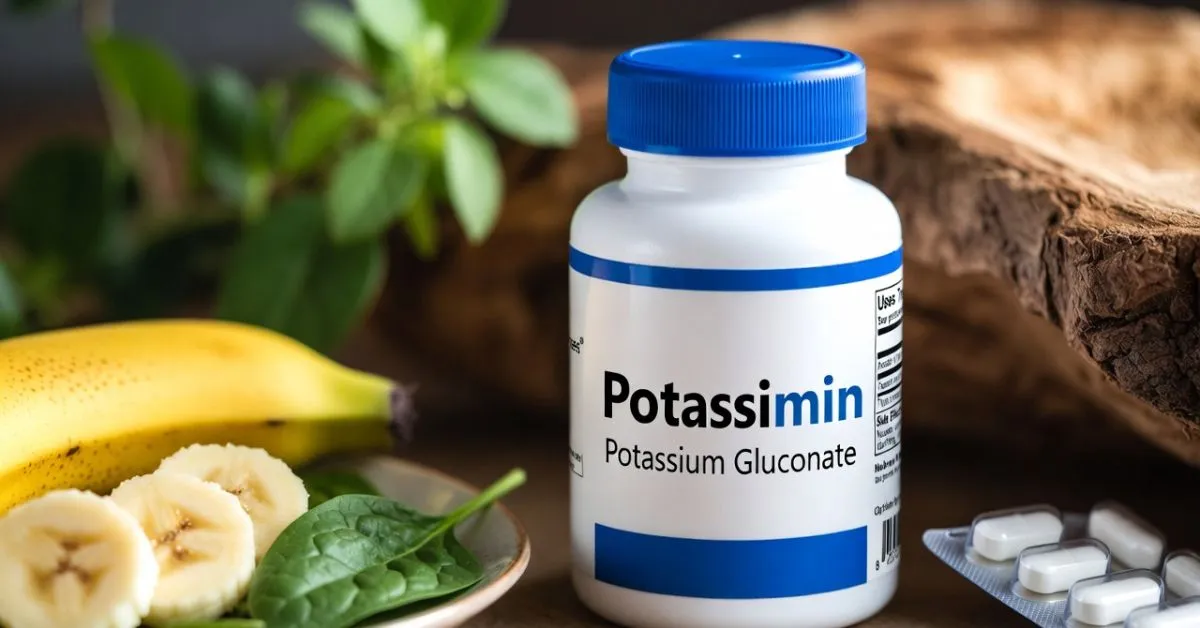
What Is Potassimin? Let’s Break Down This Old-School Potassium
Ran into “Potassimin” on a bottle, prescription, or some old health note and scratching your head? It’s an older potassium supplement name used for low potassium issues. Come along as we talk real talk—what it does, how to use it without trouble, the watch-outs, and why hitting up bananas or potatoes usually beats popping pills.
Key Takeaways
- Potassimin is pretty much an old label for a potassium supplement (think potassium chloride type) that fixes low blood potassium when it drops.
- Potassium keeps your heart steady, stops muscle cramps, and helps nerves do their thing properly.
- Most get enough from everyday eats like fruit and veggies, but certain meds or rough patches can make a supplement necessary.
- Overdoing potassium risks heart trouble—always get a doctor’s green light and blood checks.
- Food sources win hands-down; they pack extra goodies like fiber that plain supplements leave out.
Imagine dragging yourself through the day feeling like your legs are made of lead, or jolting awake from a brutal calf cramp that won’t quit. Happened to someone close to me—on blood pressure pills, no energy, weird twitches. Doctor did a quick blood draw, low potassium popped up, and it clicked. That’s the spot where Potassimin (or whatever similar potassium supplement) comes in handy. It’s nothing flashy—just a straightforward way to refill when your body’s short. Grab a seat; let’s go through it casually, like we’re chatting over tea.
Okay, What Exactly Is Potassimin?
In some older medical lists and drug info sites, Potassimin shows up as a potassium supplement—usually the chloride form. Your body keeps roughly 140 grams of potassium around, tucked mostly inside cells where the real work happens.
It’s like the quiet electrician in your system: helps send nerve signals, makes muscles squeeze (heart too), and balances fluids. Blood levels stay good around 3.6 to 5.0 mmol/L. Dip lower, and hypokalemia shows up—cramps, fatigue, heart skipping. Potassimin was one name docs used back then to correct that.
Truth is, you won’t spot “Potassimin” easily on shelves anymore. It quietly merged into the everyday potassium supplements crowd—tablets, capsules, powders from brands you actually see.
Why Potassium Really Matters Day-to-Day
Potassium pulls its weight big time. It fires nerve signals, gets muscles moving, keeps cell fluids in check, and pushes back on sodium to help blood pressure stay even.
Guidelines from places like the American Heart Association suggest about 4,700 mg daily. But plenty of folks miss it—too much fast food, not enough greens or fruit. Low levels hit hard: heavy legs, random muscle twitches, that odd heart flutter that makes you pause.
When Potassimin (or a Similar Supplement) Actually Makes Sense
It’s mainly for preventing or fixing low potassium. Things like water pills (diuretics), stomach flu, lots of sweating—they sweep potassium out. A supplement steps in to replace it.
Some older heart advice tossed it in for support during recovery, but current thinking puts food potassium ahead for blood pressure perks. Supplements shine brightest when tests confirm you’re actually low—no winging it.
Spotting When Your Potassium Might Be Low
Low potassium often whispers at first. Waking up to leg cramps that feel like charley horses? Getting winded way too fast on stairs? Heart doing little skips? Brain fog tagging along?
Usual suspects: long-term diuretics, rough digestion days, intense exercise without refueling. If that hits close to home, a simple blood test sorts it quick—no drama.
Figuring Out the Right Amount and How to Take It
Dose varies—your labs and what’s causing the drop decide. Mild shortfalls start small. Over-the-counter versions top out near 99 mg elemental potassium (FDA safety limit).
Prescription ones go bigger—40-100 mEq spread through the day. Pop them with a meal or lots of water to keep your stomach happy. Slow-release options let it trickle in gently.
Key rule: stick exactly to what your doctor lays out. Playing around solo can push things the wrong direction fast.
The Real Perks of Keeping Potassium Balanced
Stable levels mean a calmer heartbeat and way less cramping. Getting 3,500–5,000 mg from food ties to better blood pressure control—it gently counters sodium and relaxes blood vessels.
Food has the edge big time. You scoop up potassium plus fiber, vitamins, antioxidants—all teaming up for bigger benefits than any isolated pill delivers.
Heads Up: Side Effects and Things to Watch
At normal doses, most sail through fine. Maybe a bit of nausea or stomach upset—having it with food smooths that out.
The serious worry is too much (hyperkalemia). It can slow or scramble your heart rhythm, especially with kidney slowdowns or meds like ACE inhibitors. Tingling, major weakness, sluggish pulse—don’t wait; see a doctor or head to urgent care. Regular blood tests act as your guardrail.
Why Food Almost Always Beats Supplements
Food potassium is hard to overdo and feels natural. Stock these in your kitchen:
- Bananas (~400 mg; quick energy hit after activity)
- Sweet potatoes (500+ mg baked; awesome roasted or mashed)
- Cooked spinach (~800 mg per cup; stir into eggs or soups)
- Beans or lentils (300–500 mg per bowl; filling and cheap)
- Avocados (~700 mg; great on toast or in salads)
- Yogurt or milk (300–400 mg per serving)
Weave these in regularly. Chances are you’ll hit your mark without needing extras.
Potassimin vs. What You Can Actually Buy Today
It hangs around in old records but isn’t a hot item now. Modern picks include potassium gluconate (kinder to the stomach), citrate (extra help against kidney stones), or chloride (straight-up replacement).
Brands like Nature Made, Nature’s Bounty, or generic store versions offer 99 mg OTC. Prescription lines like Klor-Con cover higher controlled amounts. Sensitive stomach? Try gluconate. Quick boost needed? Chloride gets it done.
When to Pick Up the Phone to Your Doctor
Before any supplement—especially with kidney background, heart meds, or odd ongoing feelings. Blood results guide the safe path.
Cramps lingering? Heart feeling off? Don’t ignore it. A short talk early saves bigger hassles later.
FAQs
What is Potassimin used for?
It’s basically a potassium supplement to fix or prevent low potassium from meds like diuretics, sickness, or low intake. Helps keep heart, muscles, nerves steady. Doctor check and blood test first—always.
Is Potassimin the same as potassium chloride?
Mostly yes—it’s often potassium chloride. Same job as other potassium supplements for low levels. Easier-to-find brands or generics do the trick now. Ask your pharmacist for options.
What are the side effects of Potassimin?
Nausea, vomiting, stomach aches pop up sometimes—food eases it. Bigger concern is high potassium messing heart rhythm, worse with kidney issues or specific meds. Tests keep it safe.
Can I take Potassimin for high blood pressure?
Food potassium helps balance sodium and supports pressure. Supplements alone? Weak proof for treating it. Focus on fruits/veggies; ask doc if a pill fits your setup.
What foods are high in potassium?
Bananas, potatoes, spinach, beans, avocados, yogurt, oranges—300–800 mg each. Mix daily for ~4,700 mg naturally. Tasty, simple, and usually enough without supplements.
Is Potassimin still available?
Appears in older info but tough to track down fresh. Similar potassium supplements (gluconate, citrate, chloride) are widely stocked OTC or prescription. Doc/pharmacist can suggest current best fits.
Listen—tune into what your body says, team up with your doctor on potassium levels, and slip more whole-food sources into meals. Throw an extra banana or sweet potato on the plate tomorrow. Small change, but you might notice steadier energy and fewer aches quicker than expected.