
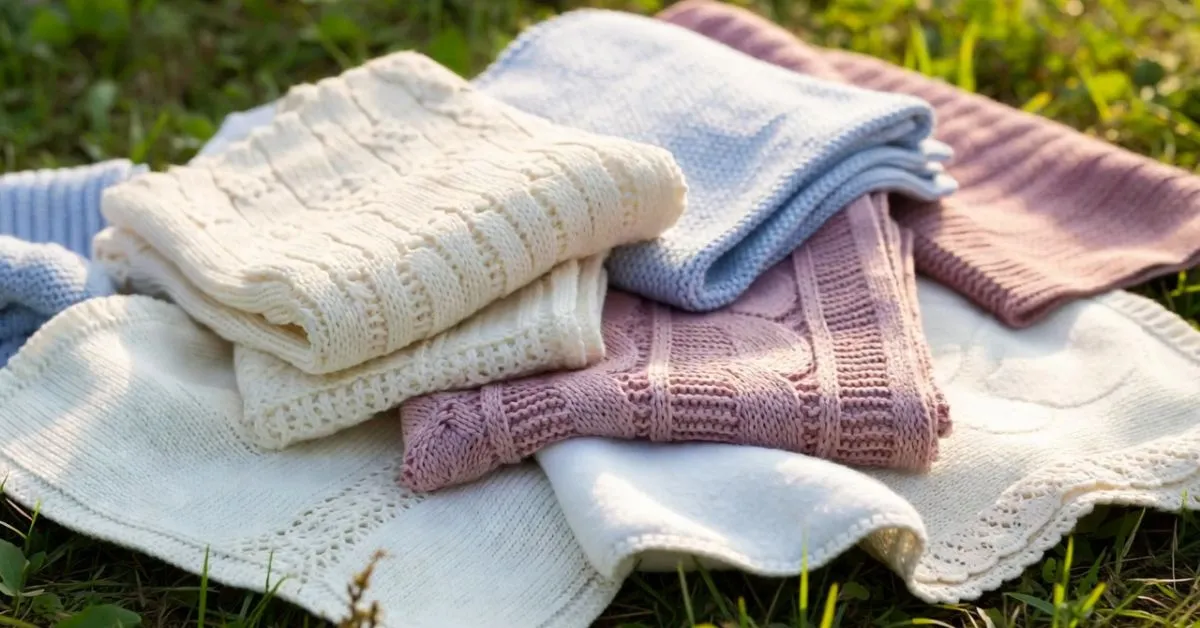
Receiving Blankets 2026: Key Parent Essentials
Discover why receiving blankets are a newborn must-have for swaddling, burping, and beyond. Learn safe picks, durable materials, and eco trends to solve common issues like fading or allergies—perfect for smart parenting.
New parenthood hits you with a whirlwind of decisions, from cribs to car seats. Amid all that, receiving blankets might seem minor, but trust me, they punch above their weight. These lightweight wraps calm crying babies, soak up messes, and even double as impromptu shields from the elements. If you’re prepping for your first child or hunting for a thoughtful gift, let’s break down what makes them indispensable and how to pick ones that actually last.
Quick Wins: What You Need to Know
- Size and Safety First: These soft squares (30×30 to 30×40 inches) beat bulky bedding for everyday use, keeping things snug without overheating risks.
- Breathable Choices Pay Off: Opt for organic cotton or bamboo to dodge allergies and follow pediatric guidelines—your baby’s skin will thank you.
- Don’t Overstock: Four to six covers the essentials, avoiding the clutter that piles up from well-meaning gifts.
- 2026 Smart Buys: Sustainable fabrics with fresh designs endure washes and cut environmental harm, blending function with feel-good vibes.
- Not Just Swaddles: Smaller and more adaptable than dedicated swaddles, they’re ideal for on-the-spot fixes around the home.
Why Receiving Blankets Matter for Your Baby
Imagine that magical hospital moment: cradling your newborn as a nurse passes a striped wrap to bundle them close. That’s the essence of a receiving blanket— a simple, lightweight cloth designed to welcome infants with warmth and security right from birth.
The Basics and Backstory
These blankets trace back to the 1980s as standard hospital gear, with Medline producing iconic pink-and-blue versions by the millions—over 25 million to date. Hospitals still distribute about 1.5 million yearly, but they’ve evolved into colorful home staples. Why the hype? They recreate the womb’s tightness, curbing the startle reflex that jolts babies awake, leading to longer, peaceful sleeps.
At 30×30 or up to 30×40 inches, they’re portable powerhouses. In my experience helping families set up nurseries, one blanket often stands in for half a dozen gadgets, freeing up that precious diaper bag space. Ever asked yourself why some parents swear by them? It’s their sheer versatility in those chaotic early weeks.
Top Fabrics to Consider
Cotton flannel and muslin dominate for their skin-friendly touch, but 2026 spotlights organic cotton—free from pesticides, it’s a win for sensitive households or eco-conscious folks. Bamboo mixes stand out too, with built-in antibacterial properties that keep things fresh.
Feel the texture before buying; some feel crisp at first but soften beautifully after a wash or two. Skip heavy synthetics—they can chafe during those marathon cuddle sessions. The real key? Matching fabric to your climate for all-day comfort.
Everyday Ways to Use Receiving Blankets
Once they’re in your hands, receiving blankets become your go-to for countless tasks. They’re not fancy, but their simplicity is what makes them brilliant.
Mastering Swaddling for Better Sleep
Swaddling tops the list: Fold into a triangle, center your baby with shoulders aligned to the edge, cross one side over and tuck, fold the bottom up, then secure the other side. This limits flailing arms, mimicking prenatal coziness and often extending naps by hours, as many exhausted parents can attest.
The challenge? Ensuring hips flex freely to prevent developmental hiccups—keep the lower half loose. From advising new moms, I’ve seen swaddling turn fussy evenings into calm routines, but practice on a doll first to build confidence.
Versatile Hacks for Daily Life
Think burping: Sling one over your shoulder to nab those inevitable spits. Or fashion a discreet nursing cover in a crowded cafe. On outings, it becomes a clean diaper station or stroller sunblock.
Picture a sunny park day—your baby fusses from glare; a quick tuck of the blanket creates shade without bulk. Their absorbency handles drips effortlessly, cutting down on constant cleanups. How often do you need such a multitasker? More than you’d guess in those sleep-deprived months.
Uses That Last Past Babyhood
Kids outgrow infancy fast, but these blankets adapt. Toddlers claim them for floor play or superhero capes, sparking imagination. Families often personalize with embroidery, turning them into cherished mementos.
Craftier types stitch worn ones into quilts, extending value. This longevity makes them a savvy investment—I’ve watched clients repurpose sets for years, proving they’re more than a fleeting buy.
Keeping Your Baby Safe with Receiving Blankets
Baby gear demands caution, and receiving blankets are no different. Get it right, and they’re a boon; slip up, and risks emerge.
Following AAP Safety Rules
The American Academy of Pediatrics is clear: Skip loose crib bedding until age one to slash SIDS odds—usage has plummeted 30% since the ’90s due to this shift. Supervise swaddles, ditching them when rolling starts, typically at two to three months.
Spot overheating early—sweaty necks or fast breaths signal trouble. Back-sleeping with a firm wrap above the chest is non-negotiable. In practice, this balance keeps nights safer without skimping on comfort.
Tailoring for Unique Needs
Premies or allergy-prone infants need scaled-down, gentle options. Bamboo shines for eczema, minimizing irritation with its smooth weave.
NICU settings favor mini sizes for skin-to-skin bonding. If special circumstances apply, consult your pediatrician—custom tweaks can make all the difference, as I’ve noted in varied family setups.
Comparing Materials: Which Fits Your Family?
Fabrics vary wildly, so weighing options ensures you get the best match.
Flannel or Muslin—What’s Best?
Flannel brings warmth for chilly seasons but might pill post-wash. Muslin excels in heat, staying airy and improving with use, sans major shrinkage.
Warm areas? Muslin’s breathability rules. Colder homes benefit from flannel’s insulation. Both cotton roots mean gentle contact, but test for your setup—the right choice transforms daily use.
Going Green with Eco Picks
This year, GOTS-certified organic cotton and bamboo lead for minimal water use and zero toxins, enduring 50+ washes fade-free in top brands.
Pre-wash a few times for peak plushness. Beyond baby health, it’s about lighter footprints—parents increasingly demand this, blending ethics with everyday ease.
Receiving Blankets vs. Swaddles: Clearing the Confusion
The mix-up is common, but understanding distinctions guides smarter choices.
Core Differences Explained
Receiving blankets keep it basic: Compact, no bells like Velcro, excelling in varied roles. Swaddles bulk up with aids for foolproof wraps, prioritizing bedtime. Portability favors receiving for bags; swaddles shine for security. Need speed? Receiving wins every time.
Deciding What You Really Need
Tackle routines with receiving for burps or covers. If escapes happen, upgrade to swaddles. Start simple, experts advise—build skills before specializing. Bundles mixing both curb excess. This approach, from my consultations, streamlines kits without waste.
2026 Trends: Fresh Ideas and Smart Buys
Blankets are evolving, catering to today’s informed parents with innovative twists.
What’s New and Noteworthy
Plant-based dyes and temp-regulating fibers stand out, alongside coordinated sets for gifting appeal. Monograms add personality, elevating basics. These shifts keep them relevant, merging style with substance.
Affordable vs. High-End Options
Budget-friendly? $10 Amazon cotton multipacks boast durability in reviews by the thousands. Splurge on $50 Saranoni bamboo for supreme softness and green cred. Cheaper might shrink; premium resists. Align with usage—frequent washers need resilient picks.
Easy Care Tips for Lasting Blankets
Proper upkeep maximizes lifespan and hygiene.
Washing Without Worry
Gentle cycle, mild detergent, air dry—that’s the formula to fend off shrinkage. Softness peaks around wash 20; skip bleach for vibrant hues. Pilling? A quick shave sorts it. Consistent cleaning halts germs, crucial after messy feeds.
Storing for the Long Haul
Neat folds in drawers suffice daily. Keepsakes? Acid-free boxes guard against yellowing. Heirloom potential is real—many families hand them down, preserving bonds through generations.
Next Steps: Build Your Baby Kit Wisely
Stock versatile receiving blankets that breathe easy and align with your values—they’ll ease those newborn hurdles. Start with a small set, test fabrics, and consult pros if needed. Ready to shop? Prioritize quality over quantity for parenting wins that stick.
Common Questions Answered
What size is a receiving blanket?
These typically run 30×30 to 30×40 inches, ideal for newborn wraps without overwhelming fabric. Easy folding suits swaddling or mats, but for toddlers, size up. Measure options to fit your baby’s stage—snug is key for security. In short, this range balances portability and coverage perfectly.
Are receiving blankets the same as swaddles?
Not quite—receiving versions are compact basics sans fasteners, suiting quick, multi-role tasks. Swaddles focus on sleep with Velcro or elastic for hold. New parents, try receiving first for affordability and flexibility; swaddles step in for restless nights. Your daily flow dictates the pick.
How many receiving blankets do I need?
Four to six strikes the sweet spot for swaddles, burps, and backups during wash cycles. It curbs excess while keeping you prepared—gifts often inflate numbers, so aim low. Adjust for laundry frequency; frequent washers manage with fewer. Balance prevents clutter in tight spaces.
Can receiving blankets be used for burping?
Absolutely—their absorbency trumps slim cloths, shielding outfits from spills. Shoulder drape during feeds maximizes coverage over burp-specific items. Post-use washes keep them hygienic. This versatility slashes extra purchases, simplifying your setup.
Are receiving blankets safe for sleep?
Safe for watched swaddles, but ban loose ones from cribs per AAP to curb SIDS. Limit to brief, supervised rests; ditch for independent sleep. Breathable picks prevent heat buildup—back position always. These habits foster secure habits from day one.
What materials are best in 2026?
Organic cotton and bamboo rule for air flow, allergy resistance, and sustainability sans harsh extras. GOTS seals ensure quality through repeated cleans. They’re eco-trending, with bamboo’s wick-away moisture as a bonus. Gentle on skin, they prioritize health and planet alike.