What Is the Coronoid Fossa (Fossa Coronoidea) of the Humerus?
Wondering why your elbow bends so smoothly without ever feeling jammed? The coronoid fossa (fossa coronoidea) on your humerus is the clever little feature making it happen. Let’s walk through where it is, how it helps you flex fully, the common hole called supratrochlear foramen that many people have, and why it’s useful to know about.
Hey, think about one of those calm Abbottabad evenings when the weather is perfect for a short walk up toward the hills or even just reaching for your cup of tea on the table. Your elbow folds so naturally you don’t even notice it happening. That easy movement is thanks to a small hollow in your upper arm bone called the coronoid fossa (or fossa coronoidea if we want the Latin name). It’s one of those body details we usually ignore until something goes wrong and suddenly we realise how much we rely on it.
Let me try to explain it the way I’d tell a friend.
Key Takeaways
- The coronoid fossa is a shallow dip on the front of your lower humerus that gives space for a hook-shaped part of your ulna (the coronoid process) when you bend your elbow all the way.
- It sits just above the trochlea and next to the radial fossa, letting your arm reach roughly 145–150° of flexion without bones knocking together.
- A thin wall of bone normally separates it from the olecranon fossa on the back side; in 10–40% of people there’s actually a hole in that wall (supratrochlear foramen) – usually harmless.
- The feature shows up clearly on X-rays and scans – knowing about it prevents doctors and patients from mistaking normal anatomy for a problem.
- Animals use different versions: cats and horses have it for big bending movements, dogs often don’t because their legs are built for steady walking on four feet.
What exactly is this coronoid fossa?
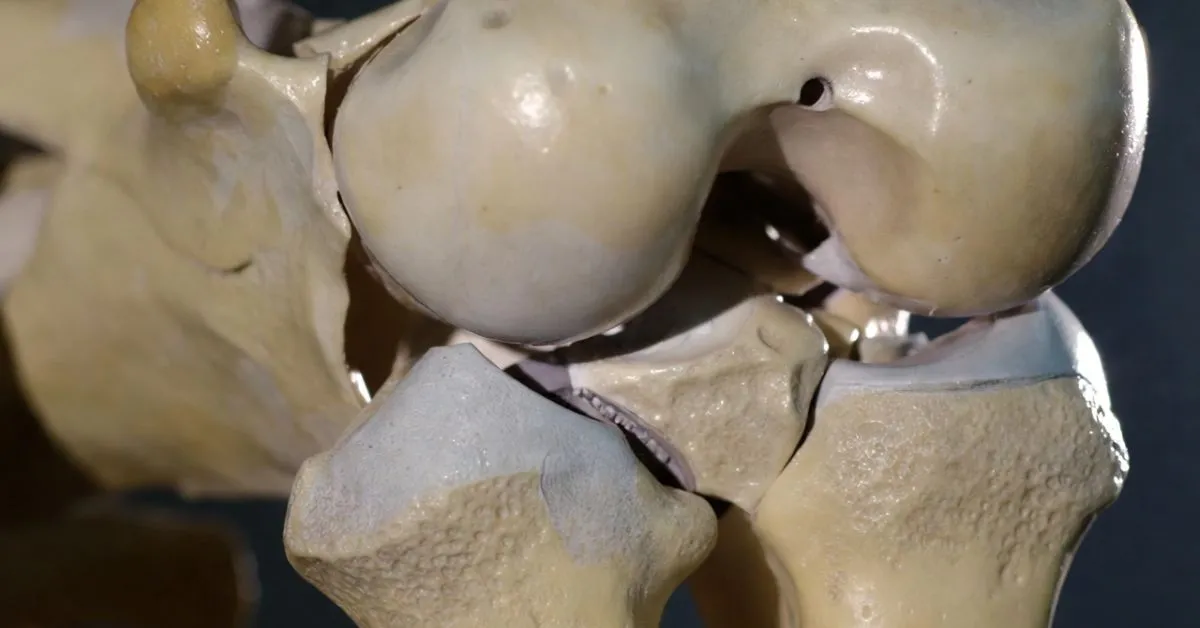
Picture your upper arm bone (the humerus) like a long pole. Near the elbow it widens out to form the joint. On the front surface of that widened part, right above the trochlea – that spool-shaped bit the ulna rolls on – there’s a gentle dip. That dip is the coronoid fossa.
It’s not very deep, just enough to let the coronoid process – a small upward hook on the top of your ulna – fit inside when you pull your forearm toward your upper arm. Without that little pocket your bend would stop much earlier and feel restricted. Because it’s there, everyday actions like bringing food to your mouth or checking your phone feel completely normal.
Where can you find it?
If you straighten your arm right now and run your fingers along the front of your elbow crease, then move them slightly upward toward the inner side of your arm, you’re in the right neighbourhood. The coronoid fossa lives on the front side of the distal humerus, the lower part close to the elbow joint.
It sits closer to the middle of your body than the radial fossa (which is over on the thumb side) and directly above the trochlea. On the back of the same bone you’ll find the larger olecranon fossa where the pointy tip of your ulna rests when your arm is straight. A very thin layer of bone usually separates the two hollows.
Have you ever noticed how smoothly your elbow switches between bent and straight? That clever arrangement is part of why.
Why does bending feel so easy?
Go ahead – bend your elbow as far as it goes. Feel how your forearm nearly touches your upper arm without anything blocking the way? That’s the coronoid process sliding neatly into the coronoid fossa. The extra space stops the bones from banging together at the end of the movement.
Beyond just making room, it helps keep the joint stable. The coronoid process works a bit like a doorstop, helping prevent your forearm from slipping too far backward – especially when ligaments and muscles are working together. Whether you’re pushing yourself up from a chair, tossing a ball with friends or carrying groceries up the stairs, your elbow stays solid and trustworthy.
How does it compare to the neighbouring hollows?
The lower end of the humerus has three noticeable hollows, and each has its own job:
- The radial fossa on the outer side catches the head of your radius bone when you bend.
- The coronoid fossa on the inner side receives the coronoid process of the ulna.
- The olecranon fossa on the back holds the olecranon (the pointy bit of your ulna) when your arm is straight.
On a side-view X-ray these three hollows often create a nice hourglass shape. When something looks off in that pattern – say after a fall or heavy use – it can give doctors an early hint about fractures, wear or unusual anatomy.
Why doesn’t everyone’s look the same?
Our bodies aren’t identical copies. The coronoid fossa can vary a little in depth or shape from one person to the next, or even between your left and right arm. The most talked-about variation is the supratrochlear foramen – basically a hole in that thin bony wall separating the coronoid and olecranon fossae.
Bone studies show this hole exists in 10–40% of people, with higher numbers in some populations. In several South Indian samples it’s around 26–28%, often oval or round in shape; other Indian groups show 27–34%. If your family background includes those regions, you’re statistically more likely to have it – just genetics at work. Most people never notice it in daily life, but it’s helpful to know about so an unexpected X-ray doesn’t cause unnecessary worry.
Why should scans and doctors care?
Imagine you twist your elbow playing cricket or slip on the stairs and end up with an X-ray. The coronoid fossa usually shows up as a smooth curve on the front of the bone just above the trochlea. From the side it teams up with the olecranon fossa to make that classic teardrop outline doctors use to check whether everything is lined up properly.
If you happen to have a supratrochlear foramen, it can appear as a clear patch on the image. Less experienced eyes might mistake it for a cyst, tumour or bone damage. That can lead to a scary moment when you read the report. If you see the words “septal aperture” on your scan, simply ask your doctor to explain – nine times out of ten it’s just a normal variation, not a problem. Practical tip: always mention any recent injury or pain so the doctor can put the finding in context.
How do animals handle it?
Lots of animals have something similar to the coronoid fossa, but they adapt it to their way of moving. Cats and horses have a well-defined one that lets them bend deeply – very useful for jumping or quick direction changes. Cows have a version that works with their large, weight-bearing legs.
Dogs are a bit different. Many have only a shallow coronoid fossa or none at all. Their elbows are built more for steady, four-legged walking and running rather than extreme bending. It’s a nice example of how joints evolve to match the lifestyle of the species. Vets keep these differences in mind when they’re examining limping dogs or cats.
So there you have it – that small coronoid fossa quietly makes a big difference in how freely we move every day. Next time you reach for something high or bend your arm to eat, maybe give it a little mental nod of thanks. Our bodies are full of these understated clever features.
If you’re studying anatomy, looking at a scan result, or just curious about how your arm works, I hope this made the topic feel a bit less abstract. Keep enjoying those Abbottabad walks and if your elbow ever complains, see a doctor – you’re already a step ahead because you know what’s going on inside.
FAQs
What is the fossa coronoidea?
Basically, it’s another name for the coronoid fossa – a small hollow on the front of your lower humerus just above the trochlea. When you bend your elbow completely, the coronoid process of the ulna fits inside it so your arm can close without bones clashing. Makes everyday bending feel natural.
Where is the coronoid fossa located?
It’s on the front surface of the distal humerus (lower end near the elbow), toward the inner side of your arm, right above the trochlea and beside the radial fossa. The olecranon fossa is on the back. This placement lets the ulna’s coronoid process slide in during flexion and clear out when your arm is straight.
What is the function of the coronoid fossa?
It creates space for the coronoid process of the ulna when you flex your elbow fully, letting you reach about 145–150 degrees without blockage. It also helps keep the joint stable so it doesn’t slip backward too easily during lifting or pushing.
How does the coronoid fossa differ from the radial fossa?
The coronoid fossa sits on the inner side and catches the ulna’s coronoid process during bending; the radial fossa is on the outer side and receives the head of the radius. Both assist flexion but they work with different bones of the forearm.
What is supratrochlear foramen related to the coronoid fossa?
It’s a natural hole in the thin bone wall separating the coronoid fossa (front) from the olecranon fossa (back). It appears in 10–40% of people depending on population. Usually harmless, but it can show as a clear area on X-rays and sometimes affects surgical planning.
Is the coronoid fossa visible in veterinary anatomy?
Yes, but it varies. Cats and horses have a distinct one to allow deep bending; dogs typically have a shallow version or none at all because their elbows are designed for stable, four-legged walking. It shows how joints adapt to different ways of moving.