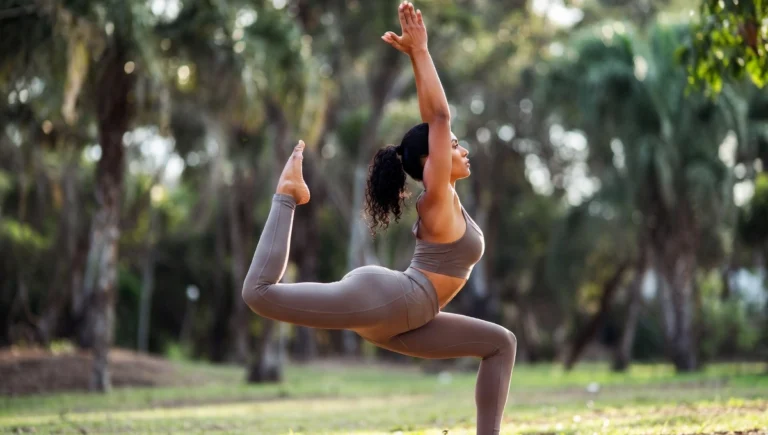

Modo Yoga: A Friendly Guide to Eco-Friendly Hot Yoga
You walk into a heated room that smells faintly of wood and eucalyptus, rather than just hot plastic. You roll out your mat, take one slightly nervous breath, and then… You start moving. That little moment right there is what hooks a lot of people on Modo Yoga. It’s not some super-intense workout disguised as yoga. Modo Yoga is more like giving your body and your brain permission to relax while you sweat buckets in good company—and knowing the studio isn’t trashing the planet to make it happen.
Modo Yoga is one of North America’s largest eco-conscious hot yoga chains. They run on renewable energy when they can, keep things inclusive, and really push the “everyone belongs here” vibe. Whether you’re burned out from work, curious about yoga, or just want to move more without feeling judged, this style tends to feel like coming home after a long day.
Key Takeaways
- Modo Yoga gives you heated classes that seriously help with flexibility, stress, and feeling stronger—all wrapped in a kind, community atmosphere.
- It’s actually doable even if you’ve never done yoga before (they show you modifications).
- You can dodge the usual hot-yoga headaches (like feeling dizzy or dehydrated) just by drinking water like it’s your job and starting easy.
- Modo Yoga is different from other hot yoga styles—more chill, more planet-friendly, less “push yourself to the edge.”
- New studios keep popping up, so there’s probably one closer to you than you think.
What Is Modo Yoga?
Modo Yoga started in Canada (back when it was called Moksha Yoga) and has since become this friendly hot yoga brand that’s now all over North America and a few other spots. The whole “Modo” thing stands for being healthy, open to everyone, kind to the environment, community-first, always learning, and peaceful. Pretty nice list, right?
You practice in a warm room—usually 99–103 °F with a bit of humidity—so your muscles loosen up fast, and you can stretch deeper without forcing it. The main class is this steady 60-minute flow of about 40 poses. You hold them, breathe, move with intention. It is therapeutic more than it is flashy.
I’ve heard from so many first-timers who were low-key terrified of the heat… then walked out smiling, dripping sweat, and already thinking about when they could come back. That’s the magic for a lot of people.
Oh, and they’re still growing fast. In 2025, they handed out a bunch more franchise territories—new places in Toronto, Chicago (multiple spots!), parts of the U.S., and more coming in 2026. So the odds of finding one nearby keep getting better.
Benefits of the Heated Practice
The heat isn’t just there to make you sweat. It actually helps your muscles become more pliable so you can stretch farther safely. People notice they feel looser and more open pretty quickly.
Mentally, the practice helps a lot of folks. One study found that right after a hot yoga class, people reported feeling happier and more present—and the effect lasted. If you were already feeling kind of down or stressed, the lift was even bigger.
On the body side, you get stronger, better balance, a bit of cardio from all the holding, and often some real relief from lower-back tightness. Your heart gets a gentle workout too, over time.
Fun fact: women still fill most yoga classes — a 2016 US study by Yoga Journal and Yoga Alliance found 72% of practitioners were women — and hot styles like this pull in anyone who wants both a good sweat and a calmer headspace. The eco angle just makes it feel extra worthwhile.
Class Types
- They keep it pretty straightforward but still give you options.
- The Signature Modo class is the one most people start with: 60 minutes of classic hatha-style poses, held for a while, lots of focus on breath and alignment. It’s challenging enough to feel like you did something, but kind enough that you don’t leave hating yourself.
- Then there’s Modo Flow (or Freestyle Flow)—a bit more creative, linking poses together like a moving meditation. Still all-levels.
- Core classes throw in extra midsection work. Yin-style ones let you sink into long, juicy holds for deep stretching. Hot Pilates mixes precision moves with a little cardio kick. Some locations run prenatal sessions or special workshops, too.
- Yelp and ClassPass reviews are usually full of comments like “the teacher made me feel so welcome” or “perfect pace and heat—not too crazy.” That matters when you’re new.
Health Risks and Precautions
Hot yoga can be tough on the body if you’re not careful. The heat sometimes makes people dizzy, crampy, or seriously dehydrated—especially if it’s your first time, you’re pregnant, or you’ve got any heart stuff going on.
The big ones to watch are losing too many electrolytes or pushing past what your body can handle in that temperature.
Here’s what actually helps keep it safe and enjoyable:
- Drink water like crazy the day before, during class, and after.
- Have a light snack an hour or two earlier so you’re not running on empty.
- Throw on light, sweat-wicking clothes and bring a towel (you will need it).
- Tell the teacher ahead of time if anything’s up—they’ll give you easier versions of poses.
- On rough days, just lie down or sit in child’s pose. No shame.
A few studios are even testing little wearable gadgets that buzz when you’re getting dehydrated, which is pretty cool. Still, talk to your doctor first if you’re unsure. Most people find that once they ease in, the good stuff far outweighs the sweaty struggle.
Modo Yoga vs Alternatives
So how does Modo stack up against the other hot-yoga names you’ve probably heard?
Bikram is famous for the same 26 poses every single time, and the room is hotter (around 105 °F). Modo keeps the heat a touch lower (99–103 °F), changes up the sequence a bit, and really leans into the eco and community side.
CorePower tends to feel more like a power-class—faster, sweatier, more athletic. Modo stays slower and more mindful.
If you hate heat altogether, regular hatha or yin classes, skip them completely. But if you actually enjoy that warm, melty feeling while you practice, Modo hits a sweet spot: not too aggressive, not too rigid, and kinder to the planet.
People who switch from other studios often say Modo just feels… nicer. Less competition, more support.
Tips for Beginners in Modo
Walking into your first hot class can feel like a lot. Here’s what makes it way easier.
Get there 15–20 minutes early so you’re not rushed. Chug water the whole day before—seriously.
Wear the lightest, most breathable stuff you own (shorts + tank usually). Skip anything heavy or cotton that soaks and sticks.
Don’t worry about nailing every pose. Just breathe. If it gets intense, drop into child’s pose or take a sip of water. That’s allowed.
Ask for mods—the teachers live for it.
Go easy on your first few times. Your body needs a couple of classes to get used to the warmth. By week three, a lot of people say the heat starts feeling energizing instead of scary.
One woman told me she almost bailed after class one because she felt lightheaded… but she stuck it out, drank more water next time, and now it’s her favorite way to unwind. She even sleeps better.
Studio Locations and Expansion
Modo’s got more than 70 studios right now, mostly across North America, and they keep adding. Pop over to modoyoga.com and use their studio finder—it’s super easy.
2025–2026 has been big for growth: new ones in Chicago, more in Toronto, and others opening soon. If there’s not one close yet, they’ve got Modo Yoga Online so you can practice at home.
Pricing depends on the studio and city, so check your local studio’s site for current rates in your currency. Most run cheap intro months for newcomers (sometimes unlimited), and lots of places throw in online access or guest passes, too.
They do “karma classes” sometimes—pay-what-you-can or donation-based—which keeps things open to more people. Booking’s simple through their app.
Sustainability
Modo Yoga was literally started by people who care about climate stuff, so the green part isn’t just marketing. They try to run studios on renewable power, use eco-friendly materials whenever possible, and do community events around environmental awareness.
That lines up with how fast the whole yoga world is growing—U.S. studios alone are pulling in billions now. Picking Modo means you’re moving your body and quietly supporting something bigger at the same time. In a world with so many options, it’s kind of nice to find yoga that cares about more than just your downward dog.
Your First Class, Hour by Hour
Knowing the shape of the hour removes most of the nerves. You arrive early, check in, and lay your mat in the heated room while it is still quiet; regulars use those minutes lying down to let their bodies adjust to the warmth before anything is asked of them. The teacher opens with breathing and gentle movement, not the hardest pose of the day.
The middle of the class is the working part: standing poses held long enough to build heat and focus, with the teacher offering easier and harder versions as they go. This is where new students usually discover that resting is a skill: stepping out of a pose, sipping water, or lying down for a minute is treated as good judgement, not quitting.
The final stretch slows everything down: longer floor poses, then stillness. You will leave sweaty and probably a little wobbly. Eat normally afterwards, keep drinking water through the evening, and expect mild soreness the next day if the class was new to your body. Most people sleep unusually well that night, which is its own advertisement for going back.
Bringing the Eco Principles Home
The sustainability side of this style is easy to admire in a studio and just as easy to practise without one. Start with what you already own: a durable mat you keep for years beats a cheap one replaced every season, and a refillable bottle ends the single-use plastic habit at training altogether.
At home, the same thinking applies to how you practise. Short sessions in natural light, opening windows instead of running heating or cooling for a workout, and repairing gear before replacing it all shrink the footprint of a routine that is supposed to be about awareness anyway.
None of this needs to become a performance. The point is the same one the practice itself teaches: pay attention to what you consume, use what you have fully, and let small repeated choices do the work that grand gestures never stick around to finish.
And if you are choosing between studios, ask what they actually do: energy sources, cleaning products, community classes, how they treat their teachers. Studios with real practices answer happily. The questions themselves, asked often enough, are how customer expectations move an industry.
Conclusion
Modo Yoga stands out because it’s not just about sweating through poses—it’s about feeling supported, safe, and connected while you move. With its welcoming atmosphere, thoughtful heat level, and strong focus on sustainability, it offers a balanced alternative to more intense hot yoga styles. Whether you’re brand new to yoga or looking for a kinder, more mindful practice, It gives you the space to grow at your own pace. Try a class, listen to your body, and you may find it becomes a warm, grounding part of your weekly routine.
What About Australia?
Modo Yoga studios are based in North America, so Australians can’t walk into one locally. But the style travels well: look for heated vinyasa classes at studios near you, and apply the same eco-principles — bring your own mat and bottle, and support studios with genuine sustainability practices.
Keep Reading
- Men’s Only Gyms — who they suit and what to check first.
- Healthy Aging for Men — mobility and strength as you age.
- Beginner Strength Training for Men — add strength to the flexibility.