
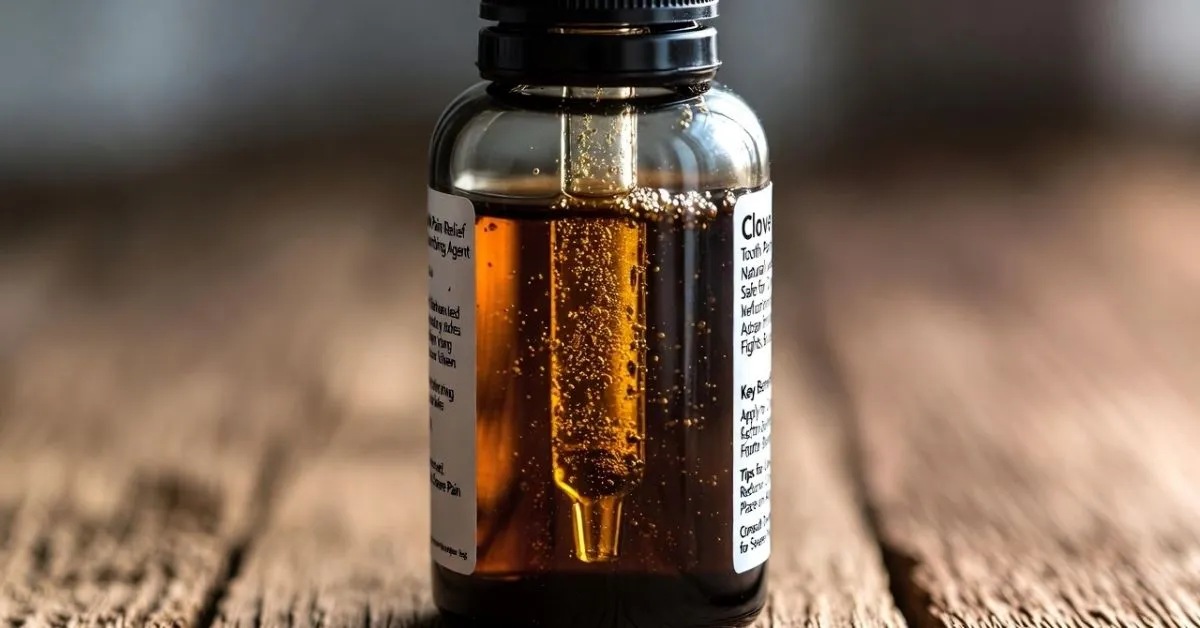
Clove Oil for Tooth Pain: 2026 Proven Relief Tips
Discover fast clove oil for tooth pain relief with eugenol’s natural numbing. Learn safe tips, key benefits, risks, and when to seek dental help. Find out how clove oil can ease your tooth pain naturally with its numbing effects from eugenol. Get tips on safe ways to use it, what benefits it brings, possible risks, and when you need a dentist’s help for real fixes. Ever had that sudden sharp twinge in your tooth that ruins your day?
You know, the kind where you can’t focus on anything else. A lot of people grab clove oil for tooth pain because it’s a simple, natural way to get some peace. It comes from those little clove buds you see in spice racks, and its key player is eugenol, which numbs the area and keeps germs at bay. Sure, it’s great for a quick fix, but it’s not going to solve the bigger issue like a cavity or infection. Stick with me as I break it down, so you can try it out smartly.
- Clove oil offers quick natural relief for tooth pain, thanks to eugenol that numbs and fights bacteria.
- Mix it with something like coconut oil to avoid any sting—remember, it’s just temporary help.
- It stacks up well against stuff like benzocaine gels, but chat with your doc if you’re expecting or on certain meds.
- As we head into 2026, more folks are turning to natural stuff like this for everyday mouth care.
- Pain hanging around? Head to the dentist—clove oil is a stopgap, not the full solution.
What’s the Deal with Clove Oil?
Clove oil gets pulled from the flower buds of clove trees, mostly grown in spots like Indonesia. It’s got that cozy, spicy smell you link with winter drinks or baking. Folks have been using it for thousands of years—think ancient China and India, where it was a go-to for aches and pains, especially in the mouth. The magic is in eugenol, which makes up most of it, anywhere from 70 to 90 percent, and that’s what gives it the power to soothe.
You can pick it up as an essential oil in tiny bottles at pharmacies or online shops. Sometimes it’s mixed into toothpastes or rinses for a fresh boost. If you don’t have the oil, whole cloves or the powder can do in a pinch, but the oil hits harder for direct relief. It’s strong, though, so treat it carefully to stay safe. Way back, healers would chew on cloves or dab the oil on sore spots. Now, in 2026, it’s still popular for handling tooth pain at home, mixing old tricks with what studies tell us today. If a toothache sneaks up on you, this could be your first line of defense before calling the dentist.
Imagine rummaging through your kitchen late at night with a throbbing molar—grabbing clove oil for tooth pain might just save the evening. It’s handy like that.
How Does Clove Oil Ease Tooth Pain?
Think about when your tooth hurts from something like a small hole or irritated gums—clove oil jumps in to help. Eugenol, the main bit, quiets the nerves by numbing them right there. You might feel the edge come off pretty fast, often in minutes.
It also takes on bacteria that could make the pain worse, like those behind infections or rot. A look from 2021 showed it battles things like Streptococcus mutans, the bugs that chew on your enamel. And it calms swelling, so your mouth doesn’t feel so inflamed.
Research supports it—a study in 2006 with 73 folks saw clove oil match benzocaine for knocking out pain, better than nothing. Fresher stuff from 2025 points to its help with swelling, even in kids’ dentistry where it beat lidocaine for calming nerves and aches. It’s more than just a tale from grandma; real tests show it works for brief relief.
Have you ever wondered why dentists sometimes use something similar? It’s because eugenol has been in dental kits since the 1800s. Pretty cool how nature hooks us up.
Now that we’ve covered the basics of how clove oil for tooth pain does its thing, let’s get into the nitty-gritty of using it without any hassle.
Easy Steps to Use Clove Oil Safely
Getting started with clove oil for tooth pain means doing it right to skip any oops moments. Grab a good quality essential oil and blend one or two drops with a teaspoon of something mild like olive or coconut oil. This tones it down so it doesn’t irritate. Soak a cotton ball or swab in the mix and dab it on the hurting tooth or gum. Keep it there for about 15 to 20 minutes, then swish with warm water. Try this a couple or three times a day, but don’t go overboard.
If you want something gentler, pop a whole clove in your mouth and chew it near the sore spot, or brew a tea with cloves for rinsing. For moms-to-be, thin it out more and run it by your doctor—it’s usually fine in tiny amounts but play it safe. For kids past two, dilute it well, but pass on babies. Here’s a hack: If you’re out of carrier oil, mix with a bit of water for a rinse. Just shake it up good. And always patch test on your arm first to check for reactions.
Picture this: You’re on a trip, tooth starts acting up—no dentist around. A bottle of clove oil for tooth pain in your bag could be a lifesaver. Simple tricks like these make it easy.
Why Clove Oil Rocks for Pain Relief
Tooth pain sneaking up? Clove oil can dull it fast—many say they feel easier in 5 to 10 minutes. It lines up with 2026’s shift to natural remedies, where people want stuff without all the extras. It helps with puffiness from things like after pulling a tooth, easing the heal. Say it’s the weekend, dentist closed—a quick application holds you over, and reviews give it 4.6 stars out of 5 for working well.
Its bacteria-busting side keeps things from getting worse, like stopping spread. With dentist waits common these days, this cheap option—$5 to $15—pays off for instant aid. Ever tried it during a busy week? One dab, and you’re back to your routine. That’s the real win.
Let’s not forget, combining it with other home stuff amps it up. More on that soon.
Watch Out for These Side Effects
Clove oil helps a ton, but it can turn if mishandled. You might feel a tingle or burn on gums if it’s not mixed right, causing some red or sore spots. Diluting is your best friend here. A few people have allergies, maybe itch or swell— not common, but keep an eye out. It could clash with meds that thin blood or control sugar. Never swallow; too much leads to upset stomach or breathing hitches.
Using it too much can wear on your mouth, so keep it short. If you start drooling or the pain ramps up, rinse and pause—most, about 77 percent, love it, but tune into how you feel. Pro tip: If it stings, dab some milk or yogurt on—it neutralizes better than water sometimes.
We’ve talked risks; now, how does clove oil for tooth pain stack against other fixes?
Clove Oil vs. Other Pain Fighters
Put clove oil up against benzocaine stuff, and it’s a close match—both numb well, as that 2006 study showed. Clove’s natural, costs less, and skips the fake taste. Vs. ibuprofen: Clove hits the spot directly, while pills tackle swelling everywhere. Team them for extra punch, but ask your doctor first. Peppermint cools, but clove numbs deeper.
With new things like CBD, clove has stronger dental backing, slowing wear by 70 percent in labs, like fluoride does. Mix with saltwater for a rinse that cleans and soothes. Hack: For bad pain, alternate clove oil for tooth pain with a cold pack—numb inside, cool outside.
Imagine choosing at the store: Clove’s your natural buddy for quick, targeted help.
Signs You Need a Dentist Now
Clove oil gives you breathing room, but if the ache lasts over a couple days or you get fever and puffiness, get checked—it might be an infection needing proper care.
In 2026, with more focus on mixing natural and pro dental care, use clove in your daily mix, but groups like the ADA stress it’s no replacement for check-ups. They catch stuff clove misses. Dentists say it’s fine for in-between, but brush and floss always come first. What if you’re scared of the chair? Clove oil for tooth pain can ease you into it by calming things down first.
FAQs
Does clove oil really work for tooth pain?
You bet it does for quick fixes. Eugenol numbs those nerves and takes on bacteria causing the hassle. Back in 2006 studies and fresh ones from 2025, it holds its own against benzocaine. Lots of people notice relief in 5-10 minutes, though it’s no permanent solution. Great for mild aches or gum woes—just dilute and apply. If it’s serious, dentist time.
How long does clove oil take to ease toothache?
Most times, it starts working in 5-10 minutes, holding off the pain for 2-3 hours. Perfect for bridging to a doc visit. Pop it on again if needed, but watch for irritation. Use a swab for best aim. Everyone’s different, so tough pains might call for more help sooner.
Is clove oil safe during pregnancy?
Diluted and on the skin, yeah, but double-check with your doc. Eugenol might mess with clotting, so go easy. No swallowing, as big doses are risky. It’s a handy natural for aches, but watch reactions like puffiness. Caution’s the name of the game here.
Can I swallow clove oil?
Nope, steer clear—large bits are toxic, bringing on sickness or breath issues. Rinse and spit after. A smidge from swishing is fine, but stick to outside use. If you do by mistake, keep an eye and get help if off. Safe use keeps it helpful.
How does clove oil compare to ibuprofen
Clove numbs right at the tooth and zaps germs, ibuprofen fights swelling body-wide for longer relief. Different vibes—clove’s natural spot treatment, ibuprofen’s all-over. Pairing can boost, but doc’s okay first. Studies favor clove for mouth stuff, ibuprofen for big inflammation.
What if clove oil irritates my gums?
Rinse quick with water and halt use. Next go, dilute extra or switch to ice or salt water. Could be allergy, so arm test ahead. If it gets bad, dentist can guide to softer choices. Proper mix dodges most troubles.
Next time tooth pain hits, reach for clove oil—but team it with solid habits and dentist trips. Your mouth will thank you.