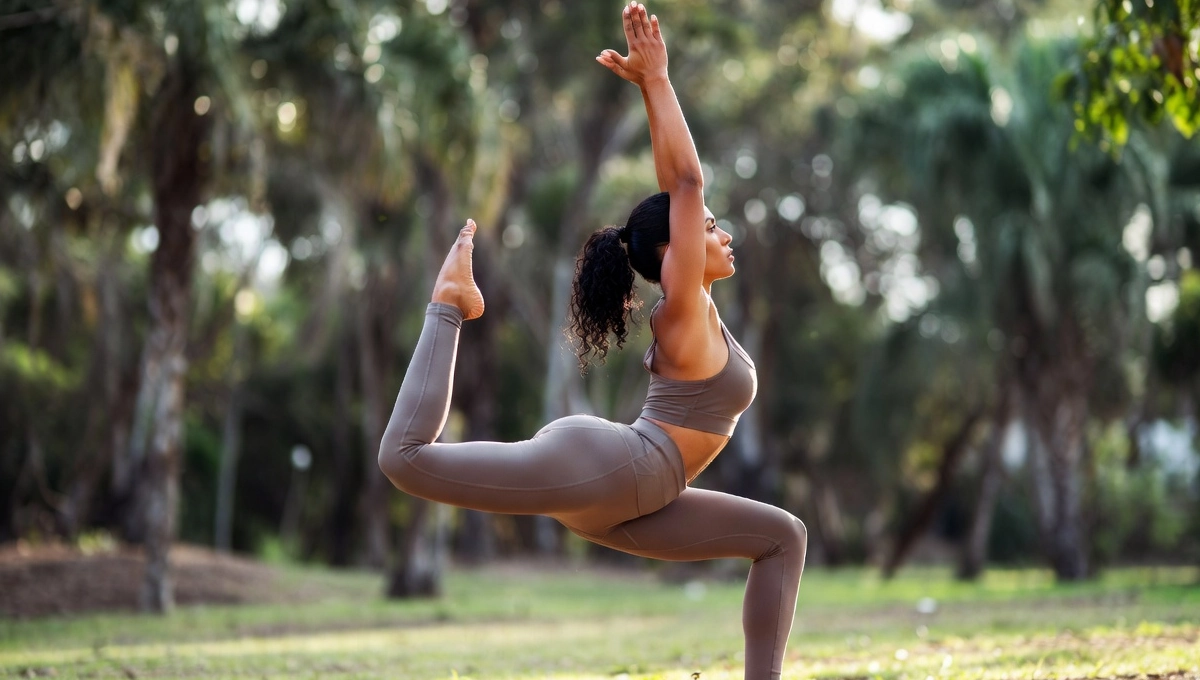
Vinyasa Yoga: A Simple Guide to Flow and Feel Better
Have you ever had one of those evenings where your neck feels like concrete, and your brain is replaying every little worry? Last year, I was exactly there—stuck in Abbottabad traffic in my head even when I was home. Then I tried rolling out a thin rug (no fancy mat yet) and just moving with my breathing. Ten minutes later I actually felt lighter. That’s what hooked me on Vinyasa yoga, and I think a lot of people discover it the same way. It’s not some strict workout; it’s more like giving your body and mind permission to move together. If that sounds interesting, come along—I’ll walk you through it the way I’d explain it over chai.
Key Takeaways
- Vinyasa Yoga basically means linking your breath to every little shift so the whole thing feels like one continuous dance.
- Do Vinyasa Yoga a few times a week, and most people notice they handle stress better and feel stronger in everyday stuff—studies actually show this happens.
- Wrists hate the plank part at first, but a couple of quick changes stop the complaining.
- In 2026, things are getting friendlier with phone apps that guide you and classes that care more about the planet and your comfort.
- Vinyasa Yoga is zippy and creative compared to slower yoga styles, so it fits when you need energy.
What Exactly Is Vinyasa Yoga?
The word Vinyasa comes from an old idea meaning “to place in a thoughtful order.” In real life, it just means you don’t hold one pose forever—you flow from one to the next, matching each move to an inhale or exhale.
Most teachers have you breathing in a soft, controlled way through your nose with a little throat sound (Ujjayi). It keeps your mind from wandering and warms you up without jumping jacks.
A normal class usually starts standing. You breathe in, lift your arms, breathe out, bend forward. Step or lightly jump back to plank, lower down, lift your chest, then push your hips up into that upside-down V shape. That whole chain is one “vinyasa.” Do a few and suddenly your body is warm and your head is quieter.
People nickname it flow yoga because once you stop overthinking, it really does feel like flowing water.


Origins of Vinyasa Yoga
Nothing stays the same forever, right? Around a hundred years ago in India, a guy named Krishnamacharya started connecting poses faster than the super-slow styles of his time. One student of his, Pattabhi Jois, made a version called Ashtanga that follows the same order every class.
Modern Vinyasa Yoga classes aren’t that strict. Teachers pick and choose poses depending on who’s in the room or what mood they want to create. That’s why you see it everywhere now—from big gyms to tiny home setups.
Benefits of Vinyasa Yoga
People love Vinyasa Yoga practice because it works on so many levels. Physically, the constant movement builds heat, which helps with flexibility and light cardio. One study found Vinyasa hits around 52% of max heart rate—enough to improve fitness without feeling like a hard workout.
Recent research backs up the mental side, too. After consistent practice, people report lower stress and better mood. For example, some studies show noticeable drops in anxiety and improved well-being after a few months. One review noted yoga’s moderate positive effects on muscle strength, balance, and mobility.
On the body front, Vinyasa Yoga strengthens your core, arms, and legs through poses like plank and chaturanga. Grip gets stronger too—hand strength often improves significantly after eight weeks. Plus, the breath focus acts like moving meditation, helping clear your head.
Many find it boosts energy on low days and helps them sleep better at night.
How Vinyasa Yoga Compares to Other Yoga
Yoga isn’t one-size-fits-all, so here’s the quick rundown:
- Hatha: Longer holds, slower pace, good when you want calm stretching.
- Ashtanga: same sequence every time, more intense and predictable.
- Yin: sit or lie in poses for minutes, amazing for tight hips and deep relaxation.
- Vinyasa: keeps changing and moving, great when you feel restless or want variety.
If your day has been all sitting and screens, Vinyasa Yoga shakes everything loose. When you’re exhausted, maybe pick the slower one.
How to Practice Vinyasa
Ready to try? You don’t need a studio membership.
- Focus on breath first. Inhale to lengthen, exhale to fold or twist. Keep it steady—no holding your breath.
- Warm up with sun salutations. Do three to five rounds slowly to get the flow.
- Add basic poses. Try downward dog, plank, warrior poses, and tree for balance.
- End with rest. Lie in savasana for a few minutes to let everything settle.
For beginners, go to a “Vinyasa basics” or “gentle flow” class. Online videos work well too—just search for beginner-friendly ones.
A short anecdote: A friend started with 15-minute home flows. At first, she felt clumsy, but after a week, the transitions felt natural. She noticed less back tightness from her office job.

Common Vinyasa Challenges
Truth time: sometimes it hurts a little.
Wrists take the brunt because the plank and downward dog press down hard. Shoulders can get cranky if you rush. Lower back complains when you round too much.
Doing the same thing every class gets boring fast, and sometimes we ignore our bodies just to look “good.”
Quick things that help:
- Stick blocks or thick books under your hands in downward dog—takes pressure right off wrists.
- Drop your knees when lowering from plank—no need for full push-up drama.
- Spend extra time warming up and stop the second you feel a sharp tug.
- Ask your teacher (or video) to mix poses so it doesn’t feel repetitive.
Listen more than you push. A little effort is fine; pain that lingers is your body saying “hey, slow down.”

2026 Vinyasa Yoga Trends
Yoga keeps changing with us. Right now in 2026, lots of people use phone apps that listen to their breathing and say things like “lengthen on the inhale.” Hybrid classes (half online, half in person) are still super common.
More teachers care about the earth—natural mats, eco retreats. Some mix Vinyasa with strength moves or make sure everyone feels safe and included, no pressure. It feels less “one way only” and more like something that fits real life.
Getting Started with Vinyasa
Don’t overthink it. Grab a mat (or towel on carpet), wear comfy clothes, and start small.
- Pick beginner classes or free YouTube flows.
- Practice 2-3 times a week to build a habit.
- Track how you feel—many notice a better mood fast.
- If cost is a concern, home practice is free and flexible.
For injuries or tight spots, modify poses or talk to your teacher. Consistency beats intensity every time.
Conclusion
Vinyasa yoga doesn’t ask for perfection, fancy gear, or hours of free time. It simply invites you to move, breathe, and check back in with yourself. Whether you’re easing stiff shoulders after a long day, looking for a workout that doesn’t feel punishing, or just craving a few quiet minutes, this flowing style meets you where you are. Start small, listen to your body, and let the practice grow at its own pace. Over time, those simple movements can become a steady habit that brings greater strength, calm, and clarity to everyday life.