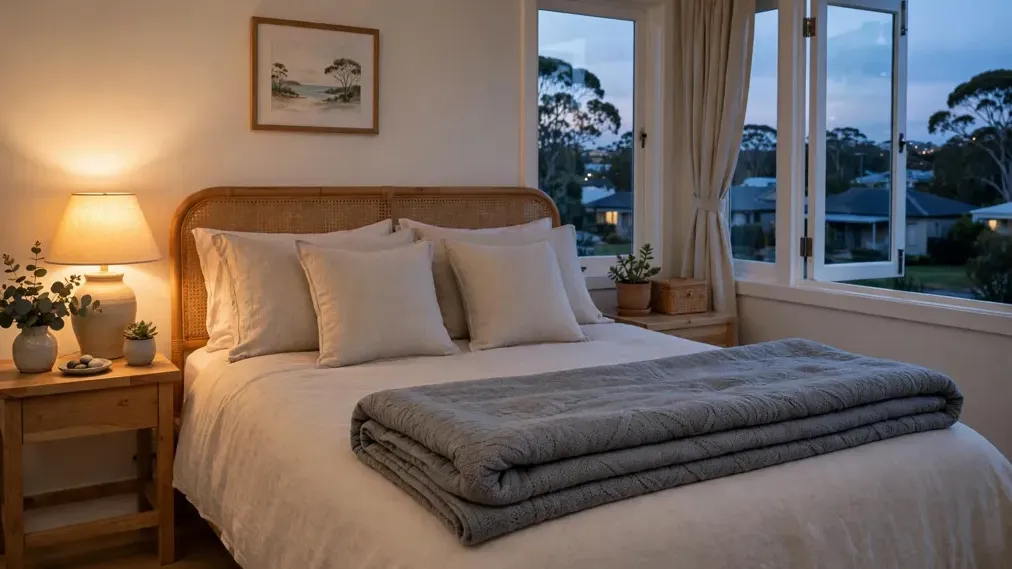
Weighted Blankets Australia: A Calmer Sleep Guide
Most guides to weighted blankets Australia shoppers can find are written for a general audience, and many read as if the only buyer is a woman buying bedroom decor. That leaves a real gap. Men who work nights, rotate shifts, or simply sleep hot and restlessly have different questions: what weight actually suits a larger frame, what fabric will not turn a summer night into a sauna, and whether a heavy blanket is even sensible for someone whose sleep schedule already fights their body clock. This guide answers those questions directly.
A quick honesty note before we start. A weighted blanket is a comfort product, not a medical treatment. This article offers general information only: it does not diagnose or treat insomnia, anxiety, or any sleep disorder, and nothing here replaces advice from your GP. If your sleep problems persist, are severe, or involve breathing pauses, snoring that wakes others, or daytime sleepiness that affects driving or work safety, talk to your GP first. Weighted blankets suit many adults, but they are not for everyone, and the safety notes below matter more than any comfort claim.
Weighted blankets Australia: what they are and how they work
A weighted blanket is a blanket filled with small, evenly distributed weights, usually fine glass beads sewn into quilted pockets. The weight is spread across the body rather than sitting in one place, which is what separates a weighted blanket from simply piling on an extra doona. Most Australian weighted blankets use glass beads; cheaper options may use plastic pellets or sand, which tend to clump and shift, so fill type is worth checking before you buy.
People often describe the feeling as like a firm hug or steady pressure across the chest and legs. Some people find that sensation calming at wind-down time, and some find it helps them settle faster after a long day. Others find it too warm, too heavy, or simply not for them. That variation is normal. A weighted blanket is a preference product, and the honest test is a few nights of use, not a single evening on the couch.
Choosing the right weight: the 10 percent guide for weighted blankets Australia
The standard starting point used by Australian guides and sellers alike is around 10 percent of your body weight. A 70 kg adult suits roughly a 7 kg blanket; a 90 kg adult suits roughly a 9 kg blanket. If you fall between two weights, most guides recommend rounding down, because a blanket that feels slightly light is usable, while one that feels trapping is not.
For larger men, this rule matters more than brand marketing. A 7 kg blanket marketed as a universal adult size will feel light on a 100 kg frame, and a blanket sized for a queen bed spreads its weight over a bigger area, so the pressure per person drops further. Check the weight, not just the bed size, and favour brands that sell several weights rather than a single one-size option. If you share a bed, remember that a shared weighted blanket halves the effective weight per person; many couples do better with two single weighted blankets than one heavy queen.
As a rough guide:
- 60–70 kg body weight: around 6–7 kg
- 70–80 kg body weight: around 7–8 kg
- 80–90 kg body weight: around 8–9 kg
- 90–100 kg body weight: around 9–10 kg
These are starting points, not prescriptions. Personal preference, body shape and how warm you sleep all shift the right choice, and anyone who cannot comfortably move a heavy blanket off themselves should choose lighter or skip weighted blankets altogether.
Weighted blankets Australia for shift workers and night-shift sleep
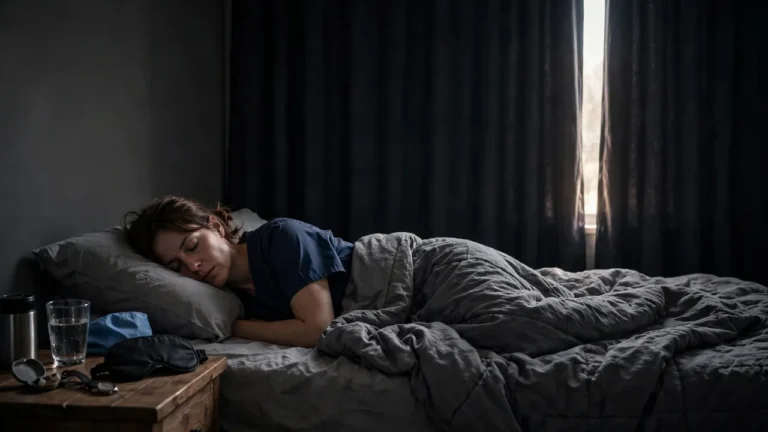
Shift work is where a weighted blanket makes the most practical sense and also where expectations need the most care. Sleeping during the day means fighting daylight, noise and a body clock that wants you awake. No blanket fixes a roster. What a weighted blanket can do is make the sleep window itself more comfortable: a consistent, enclosed feeling that helps mark the boundary between work mode and rest mode, especially when paired with the basics that actually protect daytime sleep.
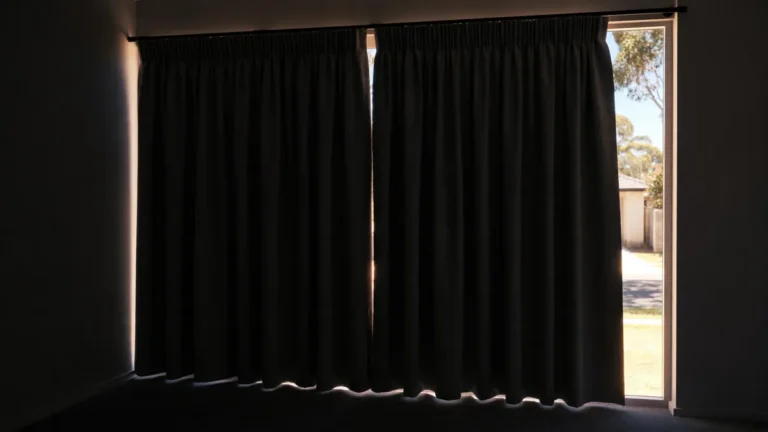
Those basics matter more than the blanket, and they are covered properly in our shift-worker sleep hygiene guide: a dark room, a cool room, ear protection or white noise, and a wind-down routine that starts before you get home, not after. A weighted blanket works best as one layer in that system, not as a replacement for it. If you sleep in a hot room during an Australian summer, fabric choice becomes the deciding factor: breathable cotton or bamboo covers cope far better than heavy minky or sherpa-style covers, which trap heat and can make a day sleep worse, not better.
One practical tip for shift workers: keep the weighted blanket for sleep, not for the couch. Using it only at bedtime helps your brain associate it with winding down, and it keeps the blanket out of the way during waking hours when a heavy throw is just clutter.
Fabric, fill and washing: what to check before buying weighted blankets Australia
Fabric is the difference between a blanket you use all year and one that lives in a cupboard from November to March. In Australian summers, breathability is not a bonus feature; it is the feature. Cotton and bamboo covers breathe better than polyester-heavy or plush covers, and a removable, washable cover is worth paying for, because a 7–9 kg blanket is awkward to wash whole.
Check three things before buying. First, the fill: fine glass beads in small, evenly stitched pockets give smooth, stable weight; loose or poorly stitched fill shifts and leaves cold, light patches. Second, the washing instructions: many weighted blankets are machine washable on a gentle cold cycle, but a wet 9 kg blanket is far heavier than its dry weight, so check your machine’s capacity, and when in doubt use a laundromat machine and air-dry flat. Third, the size: a blanket should cover you, not necessarily the whole bed. Overhang pulls weight off the body and onto the floor, which defeats the point.
Safety notes for weighted blankets Australia buyers
Weighted blankets are generally considered suitable for most healthy adults, but there are clear exceptions. They are not recommended for infants or toddlers, and they should not be used by anyone who cannot move the blanket off themselves, including young children unsupervised and people with certain breathing or mobility conditions. If you have a medical condition, are pregnant, or care for someone in one of these groups, check with a GP or occupational therapist before buying.
Two more cautions. Heat: a heavy blanket plus a warm room can cause overheating, so shift workers sleeping through summer days should favour lighter, breathable covers and a cool room. And expectations: if sleep does not improve after a couple of weeks, or if you wake unrefreshed, snore loudly, or struggle to stay awake during the day, that is a health question, not a blanket question. Our evidence-based sleep guide for men and sleep cycle calculator can help with timing and habits, but persistent problems deserve a clinician, not a purchase.
Frequently asked questions about weighted blankets Australia
What weight weighted blanket should a man buy?
Start at around 10 percent of your body weight: roughly 7 kg for a 70 kg man, 9 kg for a 90 kg man. If you are between sizes, round down, and remember that a shared blanket halves the weight per person.
Are weighted blankets good for shift workers?
Many shift workers find the steady pressure helps mark the wind-down boundary before day sleep, but a blanket cannot fix a roster, daylight or noise on its own. It works best alongside a dark, cool room and a consistent wind-down routine.
Do weighted blankets make you hot in Australian summers?
They can, especially with heavy or plush covers. Breathable cotton or bamboo covers, a removable washable cover, and a cool room make the biggest difference, and some people use the weighted blanket only in cooler months.
Can I wash a weighted blanket at home?
Often yes, on a gentle cold cycle, but check the label and your machine’s weight capacity first: a wet weighted blanket is much heavier than its dry weight. When in doubt, use a commercial machine and air-dry flat.
Are weighted blankets safe?
For most healthy adults, yes, when the weight is appropriate and the user can move the blanket off themselves. They are not recommended for infants or toddlers, and anyone with a medical condition should check with a GP first.
Do weighted blankets treat insomnia or anxiety?
No. Weighted blankets are comfort products, not treatments. Some people find them calming, but they do not diagnose or treat sleep disorders or anxiety, and persistent sleep problems should be discussed with a GP.
General information only. This article does not provide medical advice. If you have ongoing sleep problems or a medical condition, talk to your GP. See our disclaimer for full details. This guide contains no affiliate links.