Healthy Snacks for Work: 20 Aussie Options That Work
The right healthy snacks for work solve a problem every Australian office worker knows: the 3 pm slump, when concentration dies, the vending machine glows, and a $4 chocolate bar or a bag of chips feels inevitable. The issue is rarely willpower — it is planning. Hunger plus proximity plus zero preparation equals junk, every time. This guide gives you 20 snack options that survive the office fridge, the work ute or the desk drawer, keep you full until dinner, and cost a fraction of the servo run.
Why the 3pm Slump Happens (and Why Healthy Snacks for Work Fix It)
The afternoon energy dip is partly circadian — human alertness naturally dips in the early afternoon — and partly nutritional. A carb-heavy lunch with little protein or fibre spikes blood sugar and then drops it, right on schedule for 3 pm. Dehydration compounds it; so does the post-lunch coffee wearing off.
A good work snack does two jobs: it bridges the gap to dinner without a blowout, and it steadies energy instead of spiking it. That means protein, fibre, or both — the nutrients that slow digestion and sustain fullness. A snack of 150-250 calories with 8-15g of protein will carry most men comfortably to dinner. A 250-calorie chocolate bar will not; you will be hungry again in an hour.
The Rules of Work Snacking
- Protein or fibre first: if it has neither, it is not a snack — it is a treat. Treats are fine, but they do not solve the 3 pm problem.
- Portion it before you bring it: nobody portion-controls from a family block or a kilo bag of nuts at the desk. Pre-portion at home.
- Keep it fridge-safe or shelf-stable: the office fridge is a war zone. Choose snacks that survive it — or skip it entirely with desk-drawer options.
- Mind the smell: microwaved fish and boiled eggs have ended friendships. Save the tuna for home.
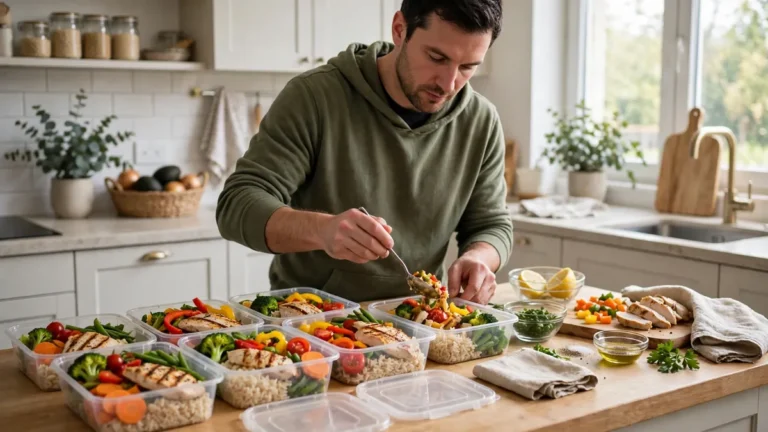
- Prep on Sunday: five minutes of portioning on the weekend beats five daily decisions. Our meal prep guide covers the full system.
20 Healthy Snacks for Work That Actually Work
Fridge snacks (the workhorses)
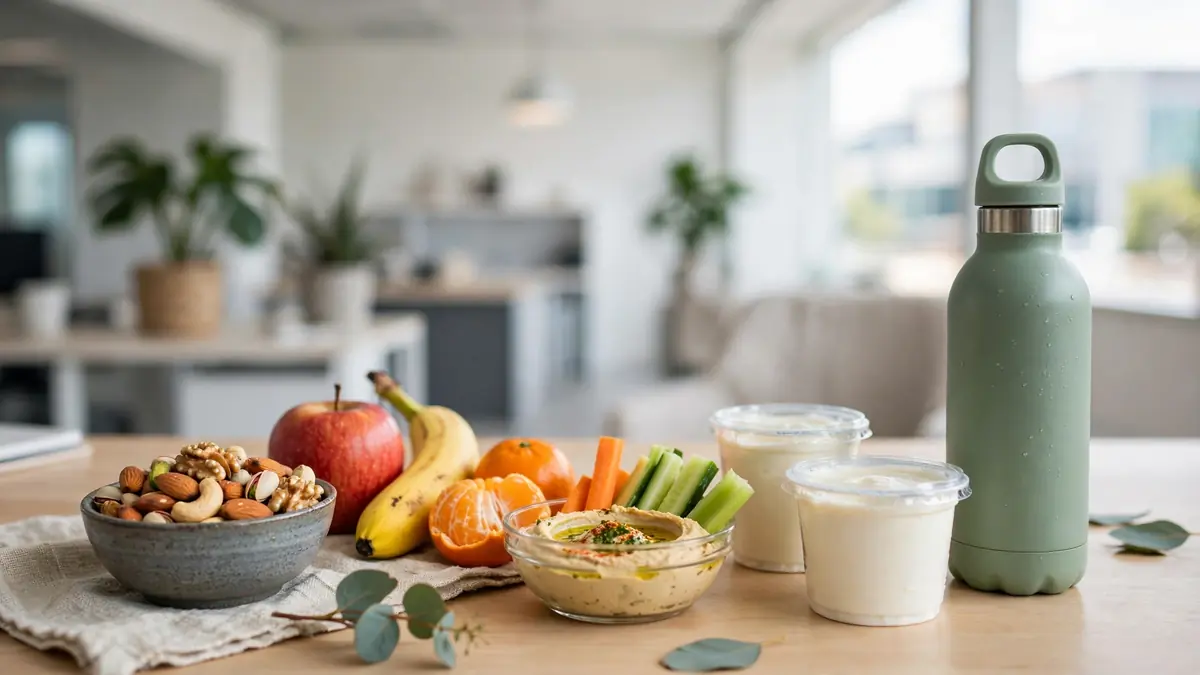
1. Greek yoghurt tubs. The single best work snack in Australia. A 200g tub delivers 15-20g protein for around 150 calories. Buy plain in bulk and add your own fruit — the flavoured ones hide serious sugar. Keep a week’s worth in the office fridge on Monday.
2. Cheese and wholegrain crackers. A couple of cheese slices or a small block with Vita-Weat or Ryvita. Protein, calcium, genuinely satisfying. Pre-slice the cheese so you are not sawing at a block in the lunchroom.
3. Boiled eggs. Two boiled eggs: 12g protein, almost no carbs, endlessly portable. Peel them at home (your colleagues will thank you) and keep them in a container. A pinch of salt and they are perfect.
4. Hummus and vegetable sticks. Carrot, celery, capsicum and cucumber sticks with a tub of hummus. Fibre, protein from the chickpeas, crunch that satisfies the hand-to-mouth habit. Pre-cut the veg on Sunday.
5. Cottage cheese with fruit. A tub of cottage cheese with tinned peaches (in juice, not syrup) or fresh berries. Around 25g protein per cup — the highest-protein snack on this list that is not meat.
6. Leftover chicken strips. Cold roast chicken from Sunday’s meal prep, sliced into a container. Pure protein, zero effort on the day. Works in a wrap with salad if you want to make it lunch-adjacent.
7. Edamame. Frozen edamame, microwaved for two minutes with salt. Around 11g protein per 100g, plus fibre. The fun-to-eat factor is a genuine feature — pod-popping slows you down.
Desk-drawer snacks (no fridge needed)
8. Nuts — portioned. Almonds, walnuts, cashews, peanuts: 30g (a small handful) delivers 6-8g protein plus healthy fats and fibre. The critical word is portioned — a 30g snap-lock bag, not the kilo bag. Nuts are calorie-dense; an unmeasured handful becomes three.
9. Nut butter sachets with an apple. Single-serve peanut butter portions (or a small jar kept in the drawer) with a piece of fruit. The fat-protein-fibre trio keeps you full for hours. Apples, bananas and pears all travel well.
10. Tuna or salmon pouches. The flavoured tuna pouches (lemon pepper, sweet chilli) need no draining and no fridge until opened. Around 20g protein per pouch. Eat with crackers. Keep the office-appropriate flavours — skip anything too pungent.
11. Roasted chickpeas or fava beans. The crunchy snack that actually has nutrition: protein, fibre, and the hand-to-mouth satisfaction of chips. Available in most supermarkets now, or roast your own with smoked paprika.
12. Whole fruit. Bananas, apples, pears, mandarins — nature’s original portion-controlled snack. Fibre, water, sweetness. Keep a bowl on the desk and fruit becomes the default, not the exception.
13. Muesli or oat bars (chosen carefully). Most “health” bars are confectionery — check the label per our food labels guide. The good ones list wholegrains, nuts and dried fruit first and keep sugar under 10g. Or make your own: oats, peanut butter, honey, baked — ten minutes, a week’s supply.
14. Dark chocolate (70%+, small portion). Two squares: satisfying, portion-controlled, and the intensity stops you at two in a way milk chocolate does not. This is the sanctioned treat — planned, enjoyed, done.
15. Beef or kangaroo jerky. Very high protein, very portable, very Australian. Watch the sodium and the price — jerky is expensive per gram. A small bag once or twice a week, not a daily habit.
Drinks that count as snacks
16. A large flat white or latte. Milk is food: a large latte delivers 12-15g protein and genuine fullness. It is also why the 3 pm coffee “works” — half the effect is the milk. Just watch the added sugar.
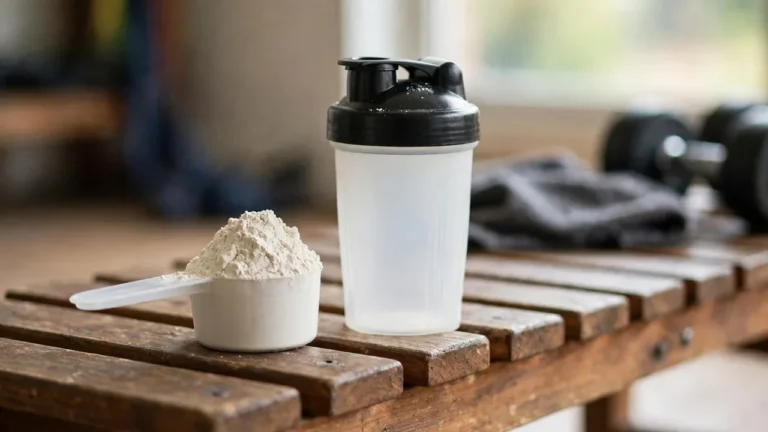
17. A protein shake. Keep a shaker and a scoop at work for the days lunch was light. Not an everyday need for most men, but the perfect backup.
The 5-minute-prep tier
18. Rice cakes with toppings. Plain rice cakes are nutritional cardboard — but loaded with peanut butter and banana, or cottage cheese and tomato, they become a real snack. The topping is the snack; the rice cake is the vehicle.
19. Frozen berries with yoghurt. Keep a bag of frozen berries in the office freezer and a tub of yoghurt in the fridge. Combine in a mug, wait five minutes, eat. Tastes like dessert, nutritionally a proper snack.
20. The DIY trail mix. Almonds, walnuts, pumpkin seeds, a few dark choc chips, dried apricots. Mix a big batch, portion into 40g bags. Cheaper and better than anything from the shops, because you control the ratios.
What to Stop Buying
- Vending machine staples: chips, chocolate bars, lollies — engineered to be overeaten, nutritionally empty. The occasional one is fine; the daily one is a habit.
- “Healthy” muffins and banana bread: café banana bread can carry 400-plus calories and 30g of sugar per slice — check the Health Star Rating where shown, and enjoy it as cake, not as health food.
- Fruit juice and soft drink: liquid sugar with no fullness. The sugar guide has the full story — a large juice can exceed the WHO’s daily free-sugar limit in one go.
- Energy drinks: caffeine plus a sugar bomb, or caffeine plus artificial everything. If you need the caffeine, coffee does it better and cheaper.
The Tradie and Ute Edition
Office advice assumes a fridge and a desk. For men on site, in trucks or on the tools, the constraints are heat and no refrigeration. The esky is your office fridge: frozen water bottles double as ice packs and drinking water. Shelf-stable winners for healthy snacks for work on site: nuts, jerky, whole fruit, muesli bars (chosen well), tuna pouches, peanut butter sandwiches. In summer, anything dairy or egg-based needs the esky — food poisoning from a warm ute is not worth it. Rotate a frozen bottle daily and the system works.
The Office Snack Drawer Starter Kit
Set this up once and the 3 pm problem is solved for weeks — a stocked drawer keeps healthy snacks for work within arm’s reach. The complete desk-drawer kit:
- 5 x 30g bags of mixed nuts (portion these at home on Sunday)
- 5 pieces of whole fruit (apples, bananas, mandarins — whatever is in season)
- A jar of peanut butter + a sleeve of wholegrain crackers
- 4-5 tuna pouches (keep crackers with them)
- A box of herbal tea bags (the warm-drink ritual without the café spend)
- 2-3 good-quality muesli bars for emergency backup
Total setup cost: roughly $25-35. Total setup time: 15 minutes on Sunday. Compare that to a week of $4 vending machine runs and $6 café snacks — the kit pays for itself by Wednesday. Restock fruit midweek; everything else lasts.
For the office fridge, Monday’s drop-off: 5 Greek yoghurt tubs, a bag of baby carrots, a tub of hummus, cheese portions. Label everything with your name — the office fridge is a lawless place and labelled food survives longer.
Snacking and Weight: The Honest Maths
Snacks are not inherently fattening — unplanned snacks are. The maths is straightforward: a planned 200-calorie protein snack that prevents a 500-calorie vending machine binge saves 300 calories. A 200-calorie snack eaten on top of adequate meals, out of boredom, adds 200 calories. Same snack, opposite outcomes — the difference is hunger versus habit.
The diagnostic question: “Am I hungry, or am I just here?” True hunger builds gradually and is satisfied by real food (an apple sounds good). Habit/boredom hunger arrives suddenly and demands something specific (only chips will do). If it is the second, a glass of water and a five-minute walk resolve it more often than food does. If it is the first, eat the planned snack without guilt — that is literally what it is for.
Men trying to lose weight sometimes fear snacks sabotage the deficit. The evidence points the other way: a protein-rich afternoon snack that prevents evening overeating protects the deficit. What destroys deficits is not the planned yoghurt at 3:30 — it is the unplanned everything at 9 pm because dinner was four hours ago and willpower is spent.
The Friday Afternoon Rule
Friday at 4 pm is the highest-risk snacking moment of the week — the week’s discipline is spent, the weekend mindset has started, and the office biscuit tin or the pub across the road beckons. The rule: eat your planned snack at 3:30, not 5:00. A protein-rich snack before the danger window removes the ravenous edge that drives bad decisions. The same logic applies to after-work drinks — the man who has a yoghurt and an apple at 4 pm nurses one beer; the man running on fumes since lunch has three and orders chips. Pre-emptive snacking is not extra eating — it is strategic eating that prevents worse eating. Friday’s snack is the cheapest insurance in this entire guide.
FAQs
What are the best healthy snacks for work?
Greek yoghurt is hard to beat: 15-20g protein, portion-controlled, cheap, and it lives in the office fridge all week. Nuts (pre-portioned), boiled eggs and hummus with vegetables are the other top-tier options. The best snack is the high-protein one you will actually eat consistently.
How do I stop snacking on junk at work?
Do not rely on willpower — remove the decision. Bring your snacks from home, keep them visible (desk or fridge door), and keep junk out of easy reach. Hunger plus availability drives snacking; control availability and the problem mostly solves itself. Eating a proper protein-rich lunch also halves the 3 pm desperation.
Are nuts a healthy work snack?
Yes, with portioning. A 30g handful of almonds or walnuts delivers protein, healthy fats and fibre that keep you full for hours. But nuts are calorie-dense — eating from the bag at the desk easily becomes 500-plus calories. Pre-portion into small bags or containers.
What snacks are good for tradies without a fridge?
Shelf-stable options: portioned nuts, jerky, whole fruit, tuna pouches, muesli bars with good labels, peanut butter sandwiches. Use an esky with a frozen water bottle for anything perishable like yoghurt or boiled eggs — essential in an Australian summer.
Should I snack between meals at all?
If you are genuinely hungry between meals, yes — a planned protein-rich snack beats the vending machine every time. If you are eating out of boredom or habit, address that instead: a glass of water, a short walk, or simply noticing the pattern. Snacking is a tool, not a requirement.
Disclaimer: This article is general information only, not medical advice. If you have nut allergies, diabetes or any condition requiring specific dietary management, check snack choices with your GP or an Accredited Practising Dietitian.