
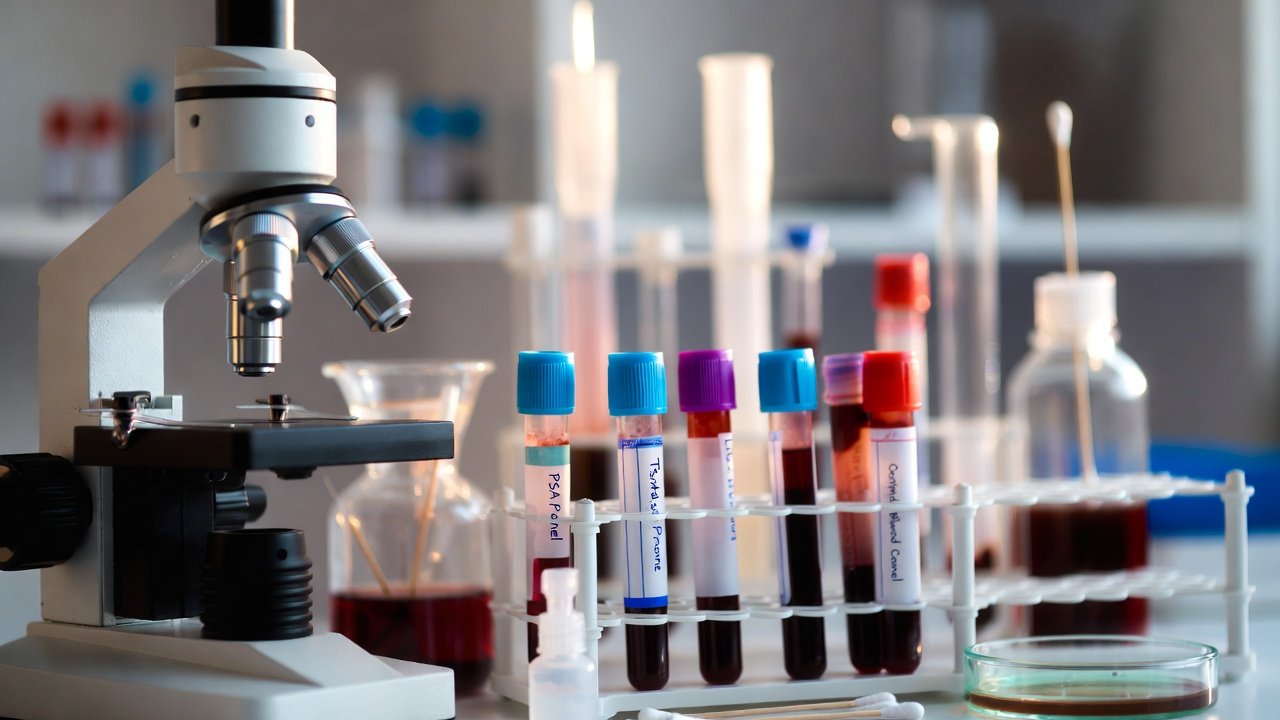
Men’s Health Lab Tests
Tired of feeling off? Men’s health lab tests check testosterone, heart health, prostate, and more. See top options from Labcorp and Quest, costs, and tips for 2026—get answers without the hassle.
Key Takeaways
- Men’s Health Lab Tests spot issues early—like heart risks, diabetes, low energy from hormones—before they turn serious.
- Men’s Health Lab Tests online from places like Labcorp OnDemand or Quest Health, no doctor visit needed upfront, with results in days.
- Focus on testosterone levels matters a lot; many men feel better once they know their numbers and make small changes.
- In-lab draws beat at-home kits for accuracy on full panels, but both are convenient options now.
- Start testing in your 40s or earlier if risks run in your family—simple blood work can guide better habits and health.
Why Men’s Health Lab Tests
Many guys put off checkups. Life gets busy, and talking about energy dips or other changes feels awkward. But regular lab tests change that. They give clear numbers on what’s happening inside your body.
Heart disease stays the top cause of death for men. Diabetes sneaks up on millions without obvious signs. Low testosterone affects energy, mood, muscle, and drive—often quietly. A basic panel catches these early. Think of it as a yearly car service: better to fix small things than wait for breakdown.
Providers now make it easy. Order online, visit a lab nearby, or use kits at home. Results go straight to your portal. No waiting weeks for a doctor’s appointment.
Key Biomarkers in Men’s Health Lab Tests
These tests look at dozens of markers. Here’s what matters most.
Testosterone (total and free) and other hormones Testosterone drives muscle, energy, mood, and more. Levels drop naturally with age, but low numbers cause fatigue or low libido. Panels often include free testosterone (the active part) plus things like SHBG that affect it.
Heart and metabolic markers Lipid panel checks cholesterol—high LDL or triglycerides signal heart risks. Comprehensive Metabolic Panel (CMP) looks at blood sugar, liver, kidneys, electrolytes. HbA1c shows average blood sugar over months, spotting diabetes early.
Prostate (PSA) and basics Prostate-Specific Antigen (PSA) screens for prostate issues. Guidelines from the American Urological Association (AUA) suggest talking about screening starting at 45-50 for average risk, earlier if family history or other factors. Complete Blood Count (CBC) checks for anemia or infection.
Many panels bundle 50-85+ markers. Quest’s Comprehensive Men’s Profile includes CBC, CMP, lipids, HbA1c, vitamin D, hsCRP (inflammation), testosterone, and urinalysis.
Top Providers: Labcorp vs Quest vs Others
Men’s Health Lab Tests and Quest Health lead for convenience. Both are CLIA-certified for reliable results.
Labcorp offers a Men’s Health Test with CMP, CBC, lipids, PSA, testosterone, and more. You order online, visit one of thousands of locations. Prices run $100-400 depending on depth. They also have custom hormone panels.
Quest has similar options, like the Basic Men’s Health Lab Tests Profile (around $220) or Comprehensive (around $385). Their Elite adds even more markers. Both accept HSA/FSA cards.
Specialized services like Hone or Marek focus on hormones and TRT monitoring—great if you’re exploring optimization. They often include telemedicine consults.
Quick comparison
- Biomarkers: Labcorp and Quest cover core wellness + hormones; specialists add deeper hormone tracking.
- Cost: $100-500; basic panels cheaper, full ones higher.
- Process: All online order, lab visit or kit. Results in 1-3 days usually.
- Best for: General check—Labcorp/Quest; hormone focus—specialized.
Pick based on what you need. Start simple if new to this.
In-Lab vs At-Men’s Health Lab Tests
Men’s Health Lab Tests quick blood draw at a center—more accurate for comprehensive panels. Venous samples give better results on hormones and complex markers.
At-home kits use finger pricks or mail-in samples. Convenient, private, no appointment. Good for basic hormone checks, but less reliable for full metabolic or PSA.
Choose in-lab for your first baseline. Switch to at-home for follow-ups if you like ease.
Interpreting Your Results Effectively
Results come with reference ranges—what labs call “normal.” But “normal” doesn’t always mean optimal. Many men feel best at higher testosterone within range.
For testosterone, morning tests (7-10 AM) matter—levels peak then. If low, look at lifestyle first: sleep, weight, exercise.
Red flags? High PSA might need repeat or doctor talk—not always cancer. Abnormal lipids or sugar? Time for changes or meds.
Always share results with a healthcare provider. They spot patterns you might miss.
Age-Based Testing Recommendations
Your 30s: Build a baseline. Check testosterone, lipids, metabolic markers if feeling off.
40s: Add PSA discussion per AUA guidelines. Screen every 2-4 years if starting. Hormone checks if energy drops.
50+: Annual or as needed. Watch prostate, heart, diabetes closely.
High-risk men (family history, certain ethnic backgrounds) start earlier. Personalize based on your health.
Addressing Common Challenges & Costs
Cost worries many. Panels range $100-500. No insurance? Still affordable, often HSA/FSA eligible. Some promotions drop prices.
Interpretation confuses people. “Normal” ranges vary by age/lab. Optimal for you might differ—talk to a pro.
Follow-up: Abnormal? Don’t panic. Many fixes are simple: diet, exercise, sleep. Doctor guidance helps.
Stigma around low T or prostate checks holds guys back. Getting numbers takes away the guesswork.
Practical Tips to Optimize Men’s Health Lab Tests
Get accurate tests with prep. Fast 8-12 hours for metabolic/lipids. Test hormones early morning.
Lifestyle tweaks boost numbers naturally. Lift weights, eat protein-rich foods, sleep 7-9 hours, manage stress.
Track over time. Retest every 6-12 months if changing habits or on TRT.
Small steps add up. One guy in his 40s felt wiped Men’s Health Lab Testsshowed low T and high sugar. Fixed sleep and added walks; energy returned without meds.
Frequently Asked Questions
What is a men’s health lab test?
It’s a blood (and sometimes urine) panel checking testosterone, cholesterol, blood sugar, PSA, liver/kidney function, and more for overall wellness and early detection of issues like heart risks or hormone imbalance.
How much do men’s health lab tests cost?
Basic panels start around $100-220, comprehensive ones $300-500. Prices vary by provider like Labcorp or Quest; many accept HSA/FSA, no insurance required for direct-to-consumer options.
Do I need a doctor to order a men’s health lab test?
No, services like Labcorp OnDemand and Quest let you buy online directly. A physician reviews/approves the order behind the scenes, and you get results to share if needed.
What is the best time to test testosterone?
Morning between 7-10 AM, when levels are highest. Consistent timing helps compare results accurately over time. Avoid testing after heavy exercise or poor sleep.
How often should men get health lab tests?
Annually for baselines after 40, or every 2-4 years for low-risk screening. More often if monitoring low T, symptoms, or changes like starting TRT—talk to your provider.
Are at-home men’s health tests accurate?
They work well for basic checks like testosterone, but in-lab venous draws are more reliable for full panels with many markers. Use at-home for convenience, in-lab for detailed accuracy. (about 280 characters)
Taking that first step with a men’s health lab test can feel empowering. You get real data to guide better choices—whether tweaking habits or talking to a doctor. Pick a panel that fits your concerns, get tested, and use the insights to feel stronger. Your health is worth it—start today.