Men’s Only Gyms
Ever wondered why men’s only gyms are so hard to find compared to women-only ones? Discover the reasons, real benefits like better focus and camaraderie, Gen Z trends showing growing support, legal facts, and practical alternatives for guys seeking distraction-free workouts in 2026.
Imagine heading to the gym after a long day, ready to lift heavy and push yourself hard. But then you notice the distractions—people chatting, phones out for videos, or just the general social vibe pulling focus away from your sets. For some guys, this makes mixed gyms feel less effective. That’s where the idea of men’s only gyms comes in. These are fitness spaces built exclusively for men, offering privacy, focused training, and a no-nonsense atmosphere.
While women-only gyms have thrived for years, true men’s only facilities remain scarce. But things might be shifting. Younger guys, especially Gen Z, are showing more interest in gender-segregated options. Let’s break down why these gyms are rare, what advantages they could offer, and where things stand today.
Key Takeaways
- Men’s only gyms stay rare mainly because of low past demand—most guys don’t mind mixed spaces the way some women do for safety and comfort reasons.
- A 2024 poll found 57% of Gen Z (ages 18-26) support male or female-only gym sections or hours, far higher than older groups, hinting at future growth.
- Benefits include sharper focus without distractions, stronger male camaraderie, and privacy for things like locker rooms or saunas.
- Legally, they’re possible as private clubs, though public ones face hurdles—unlike many women-only models.
- If full men’s only spots are hard to find, male-dominated gyms like powerlifting-focused ones or dedicated men’s areas in private clubs offer similar vibes.
What Are Men’s Only Gyms?
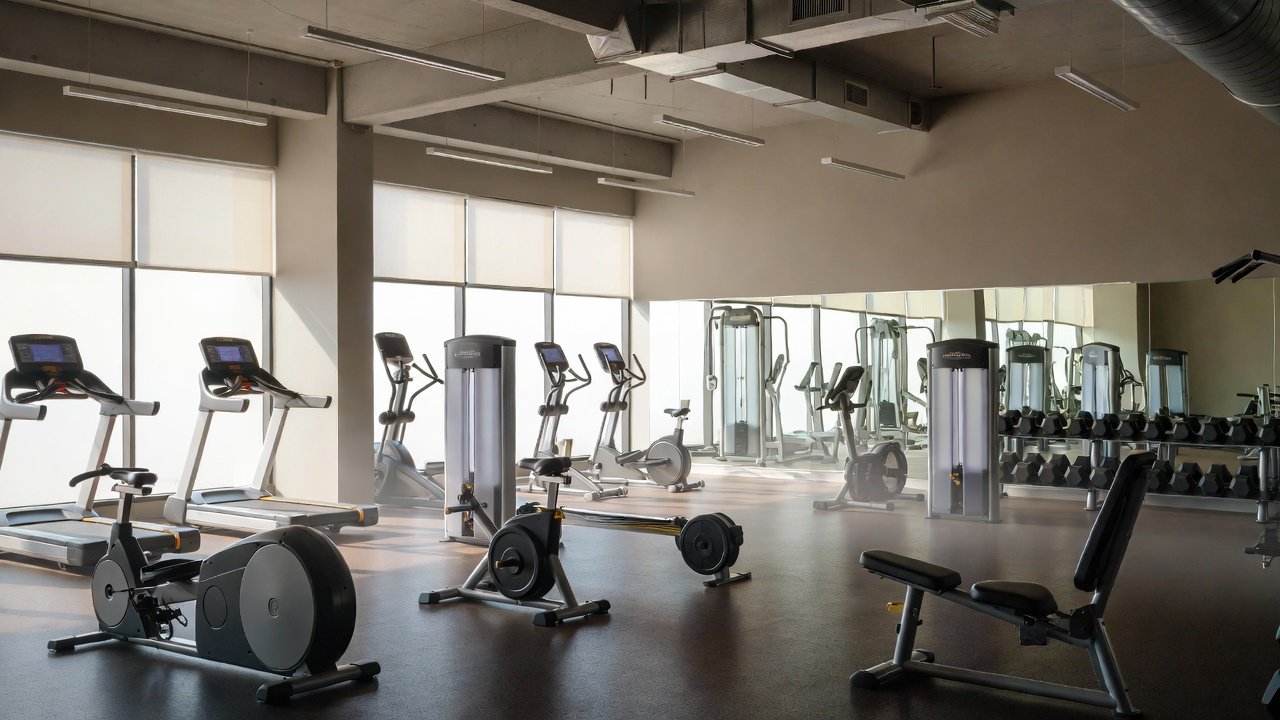
Men’s only gyms are fitness facilities that restrict access to men. They provide standard equipment—free weights, cardio machines, strength gear—plus extras like saunas or steam rooms in a male-exclusive setting.
Historically, a few chains tried this approach. Places like Cuts Fitness for Men offered quick 30-minute circuits aimed at busy guys wanting no-frills workouts. Others, such as Blitz, mixed strength training with boxing for fast sessions. These popped up in the 2000s but mostly faded due to limited interest.
They differ from mixed gyms by removing any opposite-gender dynamics. Compared to women-only gyms, which often emphasize comfort, safety, and supportive vibes for female members, men’s versions focus more on efficiency and intensity.
Why Are Men’s Only Gyms So Rare?
The biggest reason boils down to demand. Most men feel comfortable in coed environments. Many gyms already skew male, especially in strength training areas, so the need for exclusivity isn’t as pressing.
Women-only gyms succeeded because many women cite safety concerns, like unwanted attention or feeling watched. This created a clear market. For men, those issues are less common, so fewer seek out separate spaces.
There’s also the double standards debate. Some guys point out that women-only options get accepted for privacy reasons, while men’s versions face pushback or low viability. Business-wise, chains that launched men-only models struggled to sustain membership long-term.
Recent data shows gyms overall are getting more male-skewed. In 2024, men made up 51.5% of U.S. fitness facility members, up from 49.6% in 2019. But this happens in mixed settings, reducing the push for dedicated men’s only spots.
Potential Benefits of Men’s Only Gyms
Picture a workout where the only thing on your mind is the next rep. No glancing around, no social pressure—just pure training.
One clear advantage is distraction-free sessions. Without mixed dynamics, guys report better concentration. This can lead to heavier lifts, longer sets, and faster progress.
Camaraderie builds naturally too. In a men-only space, conversations often revolve around form tips, goals, or motivation. It creates a supportive brotherhood that pushes everyone harder.
Privacy matters in areas like locker rooms, showers, or saunas. Some men feel more at ease changing or relaxing without mixed company.
For guys dealing with body image or performance anxiety in coed gyms, an exclusive space reduces judgment. You can focus on your journey without feeling watched.
These perks aren’t just guesswork. Historical men-only setups emphasized quick, efficient workouts tailored to male schedules and goals, leading to solid results for members who stuck with them.
Current Trends and Gen Z Support
Fitness keeps evolving, and younger guys are driving change. A 2024 poll by Newsweek and Redfield & Wilton Strategies surveyed 1,500 U.S. adults. It asked about support for male or female-only gym hours or sections.
Results showed 57% of Gen Z (18-26) backed the idea—much higher than 22% for millennials or 14-15% for older groups. This suggests growing openness to segregated spaces.
Broader trends tie into men’s wellness. More guys prioritize mental health alongside physical gains. Exclusive environments could help address male loneliness or social pressures by fostering real connections through shared sweat.
Hybrid models are appearing too. Some gyms add women-only zones; similar men’s sections could follow as demand rises.
Are Men’s Only Gyms Legal?
Yes, but it depends on setup. Private membership clubs can set their own rules, including gender restrictions. This mirrors how some women-only gyms operate.
Public businesses face anti-discrimination laws, making full exclusion trickier. Workarounds include private club status or dedicated areas within larger facilities.
Examples exist in athletic clubs with men’s-only fitness floors. These provide similar benefits without full separation.
Real-World Examples and Alternatives
True standalone men’s only gyms are tough to find in 2026, but options exist.
The Washington Athletic Club (WAC) in Seattle offers a dedicated men’s fitness space. It includes top equipment, free weights, cardio, plus steam rooms and saunas—exclusive to men for focused training and relaxation.
Many powerlifting or strength gyms feel naturally male-heavy. They attract serious lifters, with heavy metal music, big plates, and minimal distractions.
For similar vibes without exclusivity:
- Seek out strength-focused facilities over general chains.
- Try early or late hours when crowds thin.
- Explore men’s wellness programs or retreats for community without daily gym commitment.
As trends shift, more dedicated spaces or sections might emerge.
Challenges and Pain Points for Men in Mixed Gyms
Mixed gyms work great for many, but common frustrations include social distractions—people lingering on equipment or filming.
Etiquette issues arise too, like feeling watched during vulnerable lifts. Some guys mention perceived double standards in gender policies.
Solutions include choosing male-dominated spots, setting personal boundaries, or timing visits for quieter periods.
Should You Seek a Men’s Only Gym?
If distractions kill your focus or you crave a brotherhood vibe, explore it. Start with alternatives like powerlifting gyms or club men’s areas.
Pros include better concentration and motivation; cons involve limited locations and potentially higher costs.
Weigh what fits your goals. Trends point to more options ahead.
If you’re ready for distraction-free training, check local private clubs or male-heavy gyms. Advocate for what works—change often starts with demand. Your best workouts might be waiting in a space built just for guys.
Frequently Asked Questions
Why are there no men’s only gyms?
They exist but are rare due to historically low demand. Most men don’t face the same comfort or safety issues as some women in mixed gyms, and many facilities already lean male-heavy. Gen Z support is rising, which could lead to more in the future.
Are men’s only gyms legal?
Yes, especially as private membership clubs—they can set gender rules. Public gyms face discrimination challenges, but dedicated areas or private setups work around this, similar to some women-only models.
What are the benefits of men’s only gyms?
They offer distraction-free workouts for better focus and gains, stronger male camaraderie and motivation, reduced self-consciousness, and privacy in locker rooms or saunas. Members often report more intense, efficient sessions.
Do any men’s only gyms exist in 2026?
Standalone ones are scarce, but examples include dedicated men’s fitness areas in private clubs like the Washington Athletic Club, with exclusive equipment, weights, and recovery spaces. Male-dominated powerlifting gyms provide a close alternative.
Does Gen Z support men’s only gyms?
A 2024 poll showed 57% of Gen Z (18-26) support gender-segregated gym spaces or hours—higher than other generations. This reflects broader interest in tailored fitness environments amid wellness trends.
How can I find a men only gym near me?
Search for private athletic clubs with men’s-only sections or powerlifting/strength gyms that attract mostly men. Check local listings for dedicated facilities or men’s wellness programs for a similar focused atmosphere.